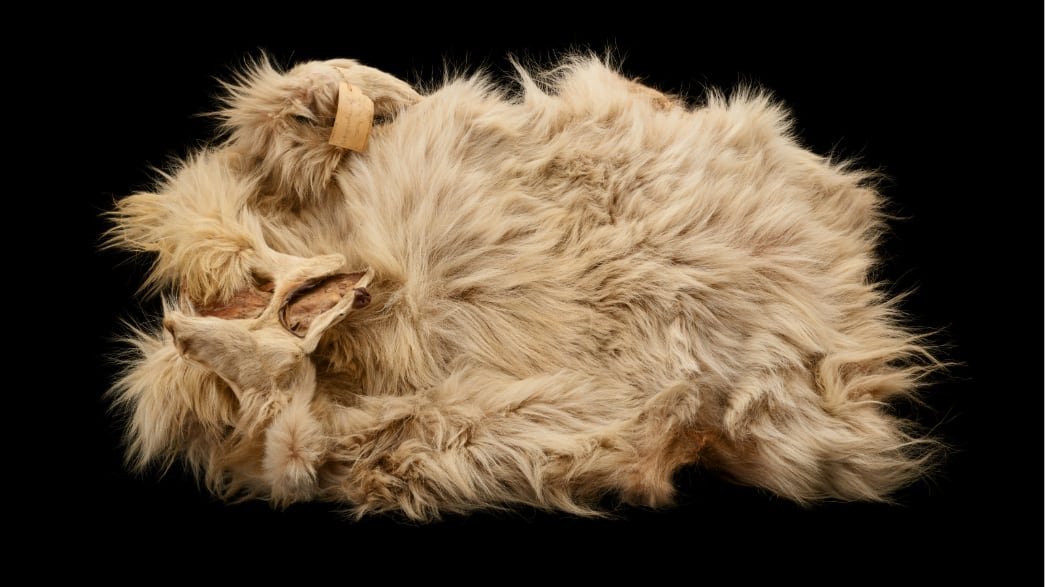
An artifact tied to the ancient woolly dog—a species now extinct—has been brought back to Canada, marking a significant moment for Salish and Makah communities who once wove with its silky white fur. The pelt, described as the only known specimen of its kind, signifies a powerful cultural and historical connection to Indigenous weaving traditions that endured for thousands of years.
The woolly dog held a central place in Salish and Makah life, integral to both breeding practices and textile art. Its fur was valued for weaving, a practice that persisted until the animals were driven to extinction in the late 19th century amid colonial pressures. The return of this single pelt offers a tangible link to a vanished wildlife lineage and to the cultural practices that depended on it.
Details surrounding the pelt’s transfer remain limited in the available report, but the item is presented as a rare, culturally meaningful relic. Indigenous communities view the return as a “powerful moment,” underscoring the importance of repatriation efforts in reclaiming ancestral materials and reconnecting with historical traditions.
As researchers and community leaders respond to the pelt’s homecoming, discussions may center on the broader implications for heritage, language, and art. The artifact’s reintroduction to Canadian soil rekindles public interest in the long arc of Indigenous weaving traditions and the animals that once sustained them.