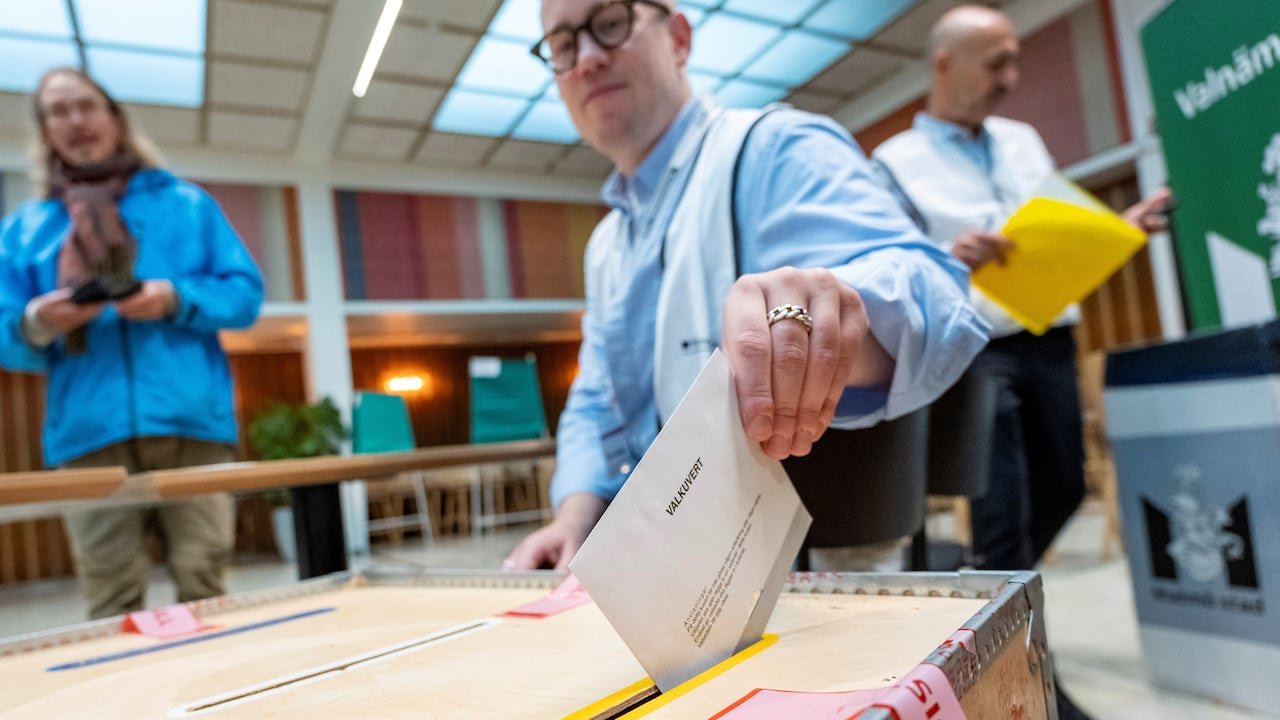
Sweden’s national election produced a razor-thin result on Sunday, with a partial vote count showing the centre-left opposition holding a one-seat lead that could shape the next government. The count suggests the bloc opposed to the current trajectory holds a narrow advantage, potentially halting a drift away from Sweden’s liberal traditions.
The developing results come as ballots continued to be tallied, and authorities cautioned that final totals could shift as more votes are processed. Early indications point to a dead heat between blocs, but the preliminary tally places the centre-left in front by a single seat, a margin that underscores how closely contested the race remains.
Voters turned out nationwide, and the election’s outcome carries implications for Sweden’s political direction, including policy stances on economic management, welfare, and alignment with European liberal norms. Analysts noted that the narrow lead by the centre-left bloc could influence negotiations and coalition considerations as parties move to form a government.
Observers emphasized that the results are not final and that turnout figures and late-counted ballots could alter the picture in the hours ahead. The partial count, released by the election authority, reflects a nation watching closely as the numbers unfold, with political leaders already preparing for possible coalition dynamics depending on how the remaining votes break.
Across the country, voters cast ballots in a process that remains in flux until the full tally is complete. The outcome risks reshaping Sweden’s approach to domestic policy and its stance within the broader Nordic and European context, depending on which bloc secures the majority when all votes are finally counted. Authorities continue to release updates as results are confirmed.