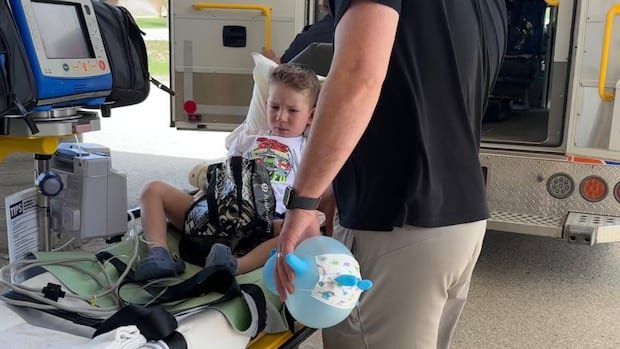
In a new Canadian study released this week, scientists found a correlation between short-term exposure to wildfire smoke and a rise in asthma-related emergency visits among children. The research, conducted across multiple Canadian communities, analyzed air quality data and hospital records to assess how smoky conditions impact pediatric respiratory health. The findings suggest that even brief bouts of degraded air quality can trigger asthma symptoms in young residents.
The study tracked pediatric emergency department visits for asthma across several regions prone to wildfires and smoke plumes over the past five years. Researchers linked spikes in asthma-related visits to days with elevated fine particulate matter, known as PM2.5, and other pollutants associated with wildfire smoke. While the study stops short of proving causation, the association remained statistically significant after controlling for factors such as temperature, seasonal influenza activity, and socio-economic variables.
Experts emphasize that the results have practical implications for families and healthcare systems. Dr. Lena Morin, a pediatric pulmonologist involved in the study, notes that parents should be prepared for potential flare-ups during smoke events, especially for children with preexisting asthma or wheeze. The researchers advocate for clear public health messaging during smoky periods, including staying indoors with windows closed, using air purifiers where possible, and ensuring children adhere to their asthma management plans and medications.
Why this matters to Canadians extends beyond regional boundaries. Wildfire seasons have become more frequent and intense in recent years, driven by climate-related shifts and drier conditions in many parts of the country. The study’s authors say that understanding the connection between smoke exposure and pediatric asthma can help health authorities allocate resources, issue timely air quality advisories, and guide community preparedness efforts in schools and daycares.
The research team used a robust approach, compiling air quality data from federal and provincial monitoring networks and cross-referencing it with anonymized emergency visit records from participating hospitals. While the study focused on short-term exposure, the researchers acknowledge that long-term health effects of repeated smoke exposure warrant further investigation, particularly for children in vulnerable communities.
For families, the takeaway is practical: monitor local air quality forecasts during fire season, limit outdoor activities on days with poor air quality, and maintain routine asthma care. Health officials also underscored the importance of having an up-to-date asthma action plan and ensuring access to rescue inhalers if prescribed.
As wildfire seasons continue to pose challenges across Canada, this study adds a crucial piece to the evolving picture of environmental health risks. Keeping informed helps Canadians protect their children and communities.
Conclusion: Stay with iCanada for ongoing coverage on environmental health, public safety, and the evolving impact of wildfires on daily life in Canada.
#wildfirescanada #airquality #asthmaawareness #pediatrichealth #publichealth #PM25 #smokealerts #canadahealth #environmentalhealth #iCanada
Full News – https://www.cbc.ca/news/business/jazz-air-canada-tentative-contract-9.7343536?cmp=rss