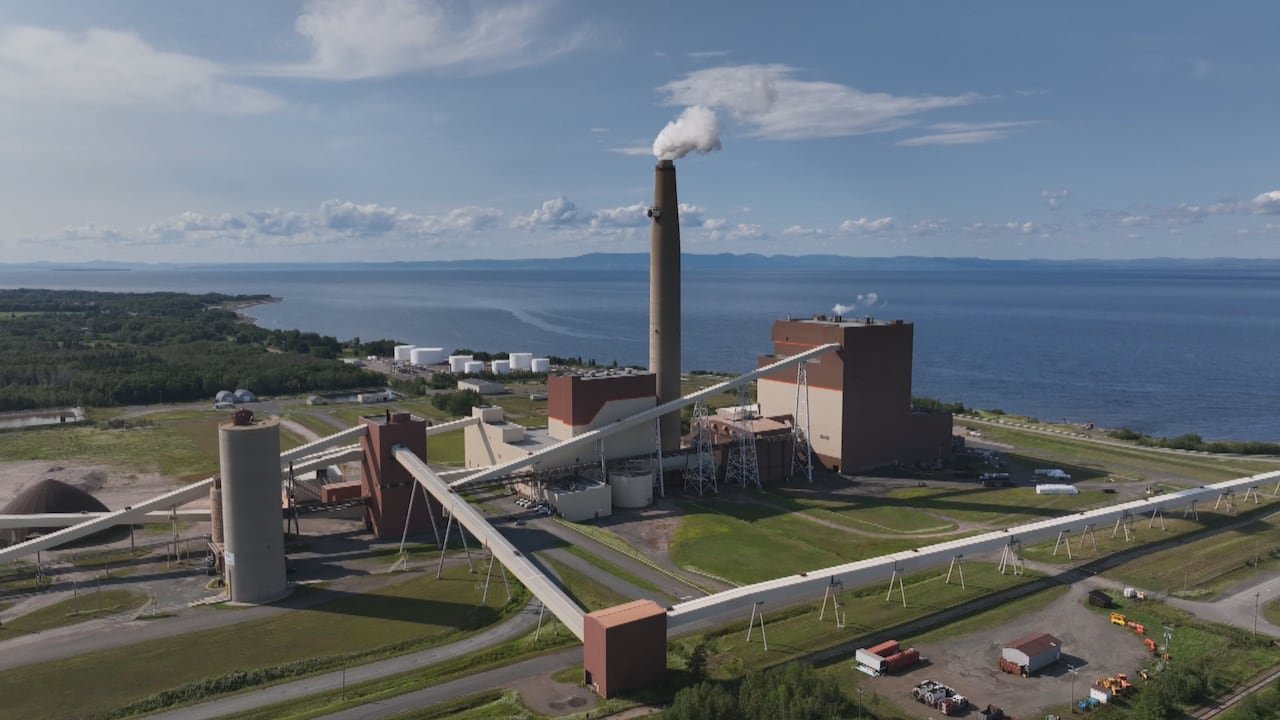
A provincial court in Ontario has issued a temporary injunction aimed at limiting unauthorized protests around a major liquified natural gas (LNG) facility, signaling heightened tensions over energy infrastructure in Canada. The ruling, granted after weeks of demonstrations near the facility, restricts protesters from occupying nearby access roads and from disrupting operations, while allowing lawful assembly within designated zones. The decision comes as regulators and the facility’s operators push for uninterrupted energy production and safety assurances.
Who: The Ontario Superior Court of Justice issued the injunction, targeting ongoing protests near the LNG facility. Protests have involved local activists and environmental groups, calling for stronger climate commitments and safer energy alternatives.
What: The temporary injunction requires protesters to keep certain distances from critical infrastructure, access gates, and safety perimeters around the facility, and to refrain from blocking traffic or impeding maintenance activities. The order also clarifies penalties for non-compliance, including potential fines and bail conditions.
When: The injunction was granted recently, following a series of demonstrations that disrupted routine operations and raised concerns about public safety and supply reliability.
Where: The actions target an LNG facility located in Ontario, a site central to regional energy supply and market dynamics. Protests occurred in proximity to the facility’s grounds and surrounding roadways.
Why: Advocates for the injunction argue that sustained protests threaten essential energy infrastructure and public safety, potentially impacting natural gas supply and regional energy prices. Opponents say the protests are a legitimate form of advocacy on climate and environmental concerns. The court balanced public safety and freedom of assembly with the needs of maintaining critical infrastructure.
How: The court considered evidence from facility operators, law enforcement, and protest organizers to issue the temporary order. The injunction will remain in place while a fuller legal review proceeds, with further hearings scheduled to determine the scope and duration of any longer-term restrictions.
Context and impact for Canadians: Canada’s energy sector sits at the intersection of economic resilience, environmental stewardship, and Indigenous rights. LNG facilities are a key part of regional energy strategies, export capabilities, and job creation in certain communities. When protests disrupt operations, they can affect supply stability and local economies, underscoring the importance of balancing peaceful advocacy with infrastructure security.
This development matters to Canadians because energy infrastructure underpins household heating, manufacturing, and regional competitiveness. Legal tools like temporary injunctions illustrate how courts respond to public safety concerns while preserving the right to protest. As energy projects continue to shape national policy and climate goals, staying informed helps Canadians understand the trade-offs and timelines involved in such disputes.
In summary, the Ontario court’s temporary injunction seeks to minimize risk to people and operations around the LNG facility while allowing lawful protest in designated areas. For ongoing updates on this case and other energy-related news, stay connected with iCanada.
#energy #LNG #Ontario #Canada #infrastructure #protest #publicsafety #environment #policy #iCanada
Full News – https://www.cbc.ca/news/canada/calgary/shaw-byelection-kyle-campbell-9.7345146?cmp=rss