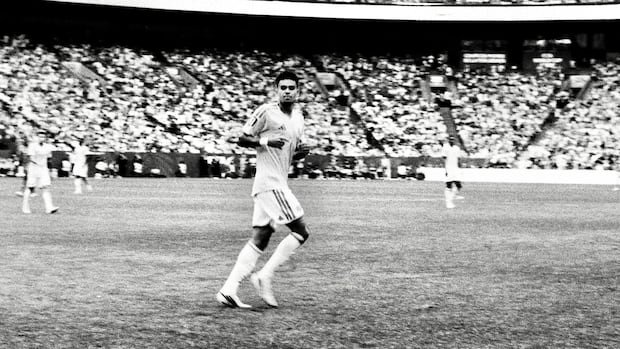
Kotb, who has built a career documenting football through a contemporary lens, opted for the antique camera as he worked the sidelines during high-stakes rounds of the tournament. Observers noted the device’s distinctive build and the deliberate pace required to shoot with large-format film, a sharp contrast to the rapid-fire shutter speeds common in modern sports photography.
Photographs captured with the camera reveal a methodical process, with the photographer needing to compose meticulously for each frame and manage the exposure manually. The choice underscores a broader discussion about the evolving technologies used in sports journalism and the trade-offs between immediacy, image quality, and the tactile experience of traditional film work.
Filmmaker and photo historians have long discussed the unique aesthetic of early 20th-century cameras, which can deliver a particular tonal range and depth. In Kotb’s case, his use of a 1930 model has sparked conversations about whether the resulting images contribute a different narrative texture to World Cup coverage, versus the crispness and speed of digital imagery that dominates contemporary sports media.
Officials at the World Cup venues did not comment on Kotb’s equipment usage, but photographers and media analysts say the scene serves as a reminder of the diverse tools still in circulation within professional photography. For fans and practitioners alike, the sight of someone embracing a nearly century-old camera amid a modern stadium setting highlights how the craft can blend historical techniques with current events.
Kotb’s international attention continues to grow as his World Cup work circulates on social platforms and news outlets, inviting viewers to reassess the balance between speed, spontaneity, and the deliberate artistry possible with vintage film technology.