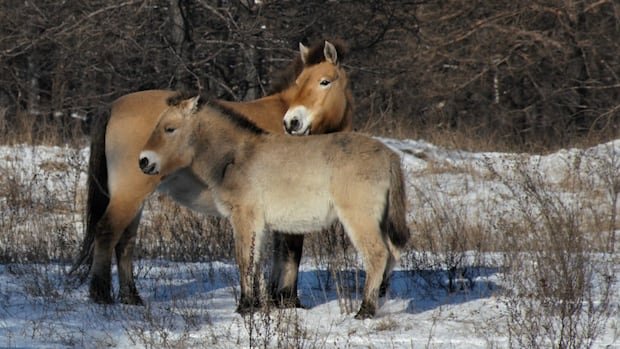
The report describes how protected or endangered species face increased risks as military activity returns to areas that had been vacated or partially restored after prior hostilities. In the Chernobyl Exclusion Zone, once quiet landscapes have seen a revival in wildlife during periods of reduced human presence, only to be disrupted again by remilitarization and the dangers of unexploded ordnance and anti-tank mines. Among the most discussed cases are Przewalski’s horses—the last truly wild horse species—located near the Red Forest. Conservationists warn that the renewed military use of nearby land threatens these animals and the broader ecosystem.
Experts also point to indirect ecological effects driven by warfare, including the destruction of habitats, pollution from munitions, and disturbed nesting sites for birds. Aerial and ground violence can fragment landscapes, making it harder for species to migrate, feed, or reproduce. In some instances, researchers have observed wildlife altering their typical patterns in response to drilling, detonation, and the presence of military infrastructure such as cordons, rubble, and minefields.
Conservationists stress that the long-term ecological impact will depend on how the conflict evolves and how quickly authorities can stabilize or quarantine affected areas once hostilities ease. They emphasize the need for careful monitoring, rapid assessment of biodiversity loss, and targeted restoration to help wildlife regain resilience in post-conflict periods.
The coverage notes that the situation presents a broader question about how modern warfare intersects with environmental stewardship. While military objectives dominate the headlines, the ecological stakes—habitats, endangered species, and the health of entire ecosystems—remain a persistent, less visible dimension of the conflict. As fighting persists, scientists and conservation groups continue documenting the changes, hoping to guide remediation efforts when peace returns.