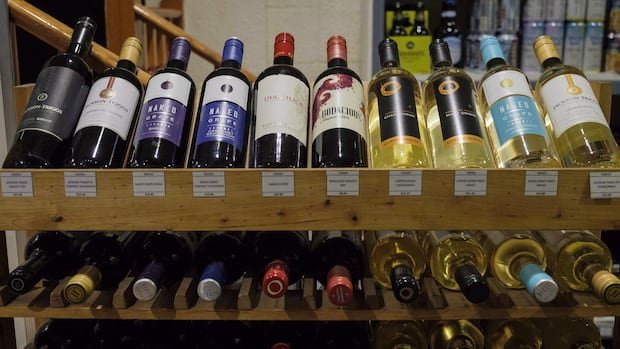
Nine premiers agreed to implement a framework that would enable direct-to-consumer (D2C) sales for alcohol products, expanding opportunities for producers to reach customers without relying solely on retailers or wholesalers. The plan aims to reduce interprovincial trade barriers that have long constrained cross-provincial sales of wine, spirits and beer.
Details of how the D2C sales would operate were not provided in the announcement. However, the commitment signals a broader reform of provincial liquor laws to accommodate online and in-person direct sales, while balancing provincial regulatory oversight, taxation, and public-health considerations. Observers say the change could help smaller producers scale their distribution and offer consumers greater access to regionally produced beverages.
The decision comes amid growing calls from industry associations and business groups for modernization of liquor regulations to support local producers and stimulate economic activity. Proponents contend that allowing direct shipments could simplify supply chains, improve market access for artisanal and family-owned producers, and introduce more competitive pricing for consumers.
Officials noted that each province will retain the authority to set specific rules, including licensing requirements, tax collection, and age-verification measures. Consumer protections and measures to address social harms associated with alcohol consumption are expected to be part of the regulatory framework.
There was no immediate timetable released for when the policy would take effect or how quickly provinces will align their statutes. When implemented, the policy would represent a coordinated effort among nine provincial governments to harmonize elements of direct-to-consumer alcohol sales, potentially easing the cross-border movement of wine, spirits, and beer and altering retail dynamics nationwide.