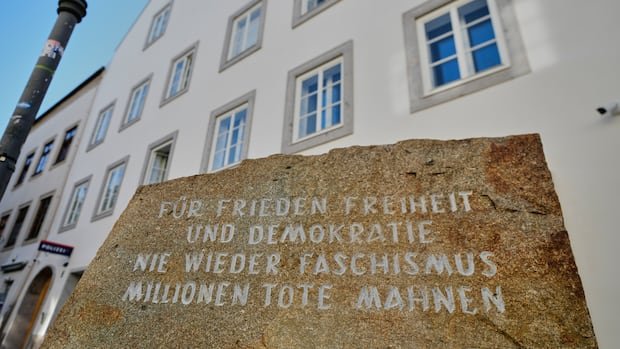
Officials described the override of the building’s symbolic past as a step toward neutralizing its use as a focal point for extremist groups. The installation of a memorial stone accompanying the new function notes the historical toll of fascism, including the millions who perished, and signals a commitment to democratic values.
The decision to repurpose Hitler’s birth home follows years of debate within Austria about how to handle sites associated with the regime. Proponents of the police-station conversion argue that reassigning the property to public safety use deprives it of its power as a magnet for extremist visitors. They contend that a visible, civic purpose under state administration reinforces a message of repudiation of totalitarian ideologies.
Critics, including a Holocaust survivors group, have voiced opposition to the move. They contend that turning the home into a police facility risks sanitizing or erasing painful history, potentially dampening critical remembrance. The group has urged continued public commemoration and broader education to ensure the site serves as a lasting warning against fascism.
Authorities stressed that security and accessibility considerations were integral to the plan. A police presence at the site is intended to serve the local community and visitors while ensuring that the location does not become a rallying point for extremist causes.
No timetable was provided for future ceremonial activities beyond the scheduled opening this week, and officials declined to offer further comment on long-term commemorative programming. The project marks one of the most high-profile efforts in Austria to address the legacy of the Nazi era by integrating a controversial site into public service infrastructure.