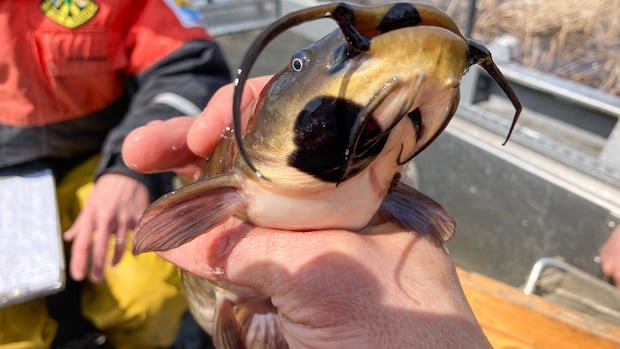
Researchers conducted genetic analyses on tumors from catfish inhabiting parts of Quebec and the northeastern United States. The findings suggest a contagious cancer mechanism at work, where tumor cells themselves can be passed through contact between fish, continuing to grow in new hosts. Approximately one-third of brown bullhead catfish in the affected lake were observed with black spots and lumps consistent with tumorous growths, according to the study.
The study highlights a distinctive pattern of transmission that differentiates this cancer from more common, non-contagious cancers in humans and other animals. While contagious cancers have been documented in other species, such as certain bivalves and Tasmanian devils, this is among the first documented cases in catfish within this geographic region.
Officials and scientists emphasize that the discovery does not imply immediate risk to human health but raises important questions about aquatic ecosystem dynamics and disease management in shared water bodies. The Lake Memphremagog basin straddles the Quebec-Vermont border and includes habitats affected by cross-border fish populations, which may be relevant to how the cancer spreads among individuals.
Experts caution that additional studies are needed to understand the full extent of transmission, potential environmental factors, and the origin of the contagious tumor lineage. The researchers plan to expand sampling across more sites in both Canada and the United States to monitor prevalence and to explore possible interventions to protect fish populations while preserving the lake’s ecological integrity.