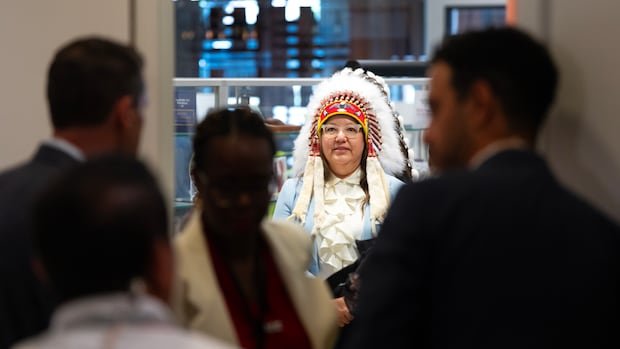
The discussions occurred on the sidelines of the annual Council of the Federation gathering in Charlottetown, Prince Edward Island. While attendees from Indigenous communities reported a positive tone and targeted dialogue, they highlighted ongoing questions about the inclusivity and scope of participation.
Participants noted that the gathering provided a platform to address shared priorities and seek commitments on matters affecting Indigenous communities. However, some leaders warned that the invitation process did not fully reflect the diversity of Indigenous governance and representation, leaving certain groups outside the conversation. Critics argued that broader and more representative inclusion would be essential to ensure policies discussed at the federation level translate into tangible improvements on the ground.
The meeting took place against a backdrop of ongoing dialogue between Indigenous nations and provincial governments on issues such as resource development, health, education, and child welfare. Proponents of stronger engagement said that expanded inclusion would help align provincial policies with Indigenous self-determination and community-led priorities.
Among the attendees were prominent Indigenous figures who have previously spoken on behalf of wider Indigenous networks, though questions remained about whether the gathering will yield lasting policy changes or simply serve as a symbolic dialogue. Supporters expressed hope that the exchanges could lay groundwork for more formalized partnerships and clearer timelines for implementing agreed-upon actions.
Officials representing the premiers’ conference emphasized ongoing efforts to collaborate with Indigenous leaders and acknowledged the importance of meaningful participation. They indicated plans to review feedback from the meeting and consider how future inclusivity measures might be improved.
As the federation continues to convene, observers say the key test will be whether the process leads to concrete steps that reflect Indigenous communities’ priorities while maintaining constructive relations between provincial governments and Indigenous governance bodies.