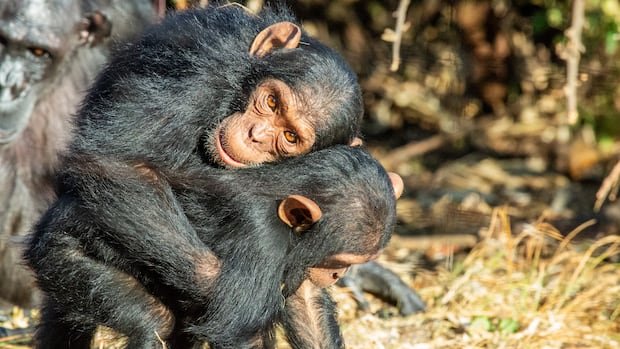
The findings highlight a range of behaviors, from close physical contact such as hugging and snuggling to more intimate gestures described as “hanky-panky” in informal accounts, all serving to reinforce social bonds and reduce aggression. The observations indicate that these actions often occur in the moments surrounding potential triggers for disputes, such as feeding or access to resources.
Experts note that the use of affectionate gestures appears to be deliberate and communicative, enabling individuals to signal peaceful intent, reinforce alliances, and soothe tense situations. The study suggests that these acts help stabilize group dynamics, particularly in species with complex social networks and high cognitive abilities.
While the research did not identify a single universal mechanism, it underscores affection as a practical strategy within primate societies. By fostering affiliative interactions, great apes may navigate competition and hierarchy without resorting to overt aggression, thereby enhancing group cohesion over time.
The study contributes to a broader understanding of primate sociality and highlights parallels with human social behavior, where affectionate gestures often play a crucial role in conflict mitigation. Researchers emphasize that further cross-species analysis is needed to determine how widespread these practices are and what environmental or social factors influence their frequency.
This research comes at a time when scientists are increasingly interested in the cognitive and emotional lives of non-human primates. By documenting how shared moments of tenderness support peaceful coexistence, the study provides concrete evidence that complex social strategies extend beyond human societies.