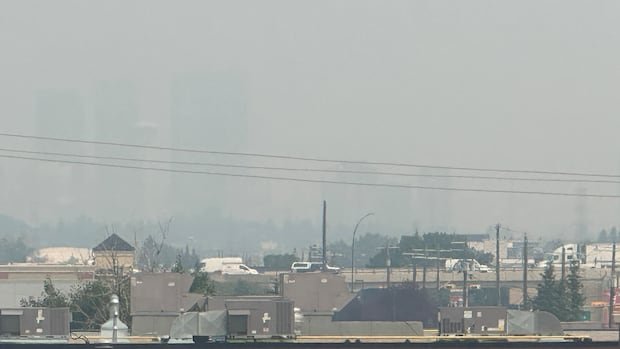
Calgary, along with nearby towns and municipalities, reported elevated air pollution levels in the morning, with officials cautioning that the concentration of fine particulate matter could pose health risks, particularly for children, the elderly, and individuals with preexisting respiratory or heart conditions. The smoky conditions disrupted views of the city skyline and reduced visibility in several districts.
Authorities emphasized practical precautions: stay indoors when possible, keep windows and doors closed, use air filtration if available, and reduce strenuous outdoor exertion. People experiencing symptoms such as coughing, throat irritation, or shortness of breath were advised to seek medical attention.
The source of the smoke was linked to wildfires burning across British Columbia, where several fires remain active. Environmental agencies noted that winds could continue to bring smoky air into Alberta over the coming days, with air quality forecasts varying by location and time of day.
Local agencies and health services did not report any immediate evacuations or closures tied directly to the smoke in Calgary at the time of the advisory, but residents were urged to stay informed through official channels for updates on air quality and any potential health advisories.
Officials underscored the temporary nature of the event, stressing that air quality could improve if weather patterns shift and wildfire activity changes. The situation remained under observation as authorities monitored the progression of the fires in British Columbia and their impact on air quality in southern Alberta.