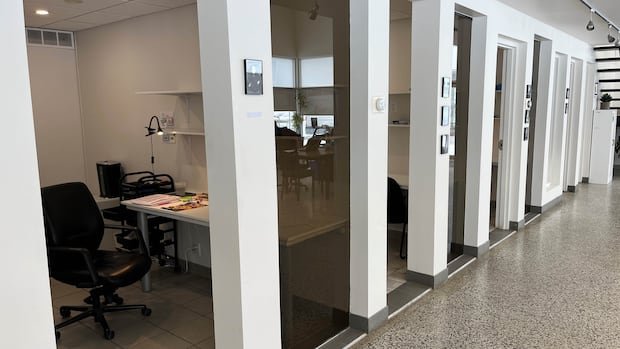
Employees, speaking to reporters, describe the move as invasive and express concerns about privacy and the potential for surveillance. They say the devices give management a constant read on who is in the office and when, which could influence attendance expectations and performance perceptions. USBs and other small devices have been cited in some implementations, though details about the exact hardware and data retention practices remain unclear.
Officials from participating divisions note that the technology is designed to improve efficiency in hybrid work models, where not every employee is present every day. By understanding patterns of room occupancy and desk utilization, companies hope to create more flexible, collaborative spaces and reduce unused space. Proponents argue that such data-driven planning helps balance the needs of in-office and remote workers, potentially lowering overhead costs and enabling better scheduling of meetings and services.
Privacy advocates have urged clear policies outlining what data is collected, how long it is stored, who has access, and how it may be used beyond space management. They emphasize the importance of transparency, consent, and safeguards to prevent misuse of occupancy information in areas such as performance evaluations or disciplinary actions.
The report indicates that at least a subset of Quebecor divisions has adopted heat-sensing technologies as part of broader workplace modernization efforts. The developments come amid a wider business trend toward hybrid work models, where flexible office space is prioritized over permanent desks. No final decisions have been announced about expanding the technology beyond pilot implementations, and detailed guidelines on privacy and data governance are still being developed.