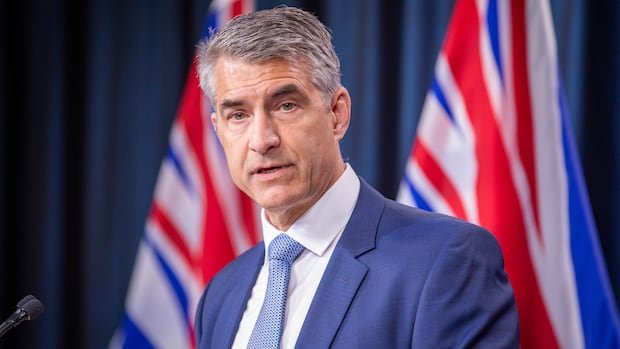
In comments likely tied to the rollout of the new office, the commissioner stressed that the mandate focuses on disclosure rather than enforcement alone. The office aims to illuminate the entities and individuals engaging in influence activities connected to foreign governments, providing the public with more insight into who is attempting to sway policy discussions and political decision-making.
While the commissioner acknowledged that the office does not have the power to prevent interference, officials indicated that increased transparency could act as a deterrent and help democratic institutions respond more effectively to foreign influence operations. The new framework is intended to complement existing safeguards by making activities that seek to influence public policy more visible to citizens, journalists, and oversight bodies.
Details about the office’s specific processes or investigative powers were not provided in the briefing available for publication. The commissioner’s comments, however, reaffirm a commitment to openness and public accountability in countering attempts to shape political outcomes without clear, domestic alignment.
Observers have noted that Canada has long faced concerns about foreign interference across political channels, including political campaigns, public policy consultations, and government communications. The establishment of the foreign influence commissioner role is part of a broader government strategy to monitor, disclose, and respond to such activities.
The commissioner’s remarks come as the public awaits further information on the office’s operational procedures, reporting timelines, and how individuals or organizations can submit concerns. Officials said updates would be released as the office develops its framework and begins formal reporting.