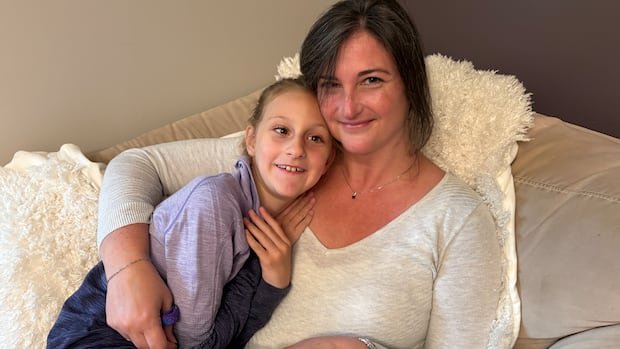
According to the report, Harper largely relies on a wheelchair and experiences developmental and speech delays as a result of the syndrome. Her participation marks the fourth time a child has enrolled in this specific trial, which aims to test a gene-replacement approach designed to address the underlying genetic cause of CTNNB1 syndrome.
The trial requires Harper to spend an extended period away from home, with plans for at least six months in Ljubljana, Slovenia, where the treatment will be administered and monitored. The relocation is necessary for the duration of the experimental protocol, which investigators hope could offer meaningful improvements in her condition.
Medical teams involved in the trial emphasize the experimental nature of the therapy and the careful monitoring required for pediatric participants. Families in such trials typically undergo comprehensive assessments to ensure safety and to track any potential benefits or adverse effects as therapy progresses.
CTNNB1 syndrome is caused by mutations in the CTNNB1 gene, which plays a role in cell signaling and development. While the condition is rare, researchers say gene-replacement strategies hold potential for modifying the disease course in affected children.
Harper’s family and supporters have described the move to Slovenia as a hopeful step forward in the search for a treatment that could alter the trajectory of the disorder. Health officials and researchers caution that results from early-stage trials are preliminary and that long-term outcomes remain uncertain. The trial’s progress will be watched closely by the medical community and families affected by CTNNB1 syndrome.