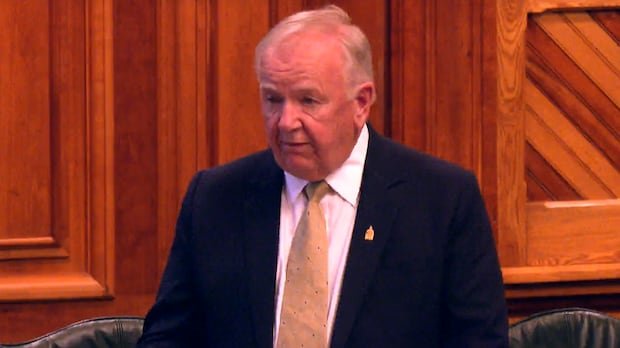
Bill Oliver, the MLA for Kings Centre, confirmed that his nearly 40-minute address, delivered on June 9, 2026, included AI-generated content and prompts. The presentation, which occurred during a routine legislative session, drew attention for featuring phrases that advisers described as unmistakably AI-produced. The remarks were read from a prepared script rather than delivered spontaneously from memory.
The admission comes amid broader discussions about the role of artificial intelligence in politics and public communication. While AI tools can assist with drafting and research, their use in formal settings raises questions about transparency, attribution, and the potential for automated language to influence policy debates.
Officials and observers have emphasized the importance of clear disclosure when AI tools contribute to public-facing material. In this instance, Oliver stated that he used prompts to help craft portions of his speech, signaling an effort to be transparent about the process behind the prepared text.
There is no indication that the speech altered any legislative outcomes or policies, but the incident has prompted reaction from colleagues and constituents concerned about accountability in the use of AI in government communications. Some lawmakers have called for guidelines outlining when AI assistance should be disclosed in official remarks, while others cautioned against overemphasizing the tech’s role in political discourse.
The New Brunswick Legislature has not announced formal policy changes in response to this event. Oliver’s acknowledgement stands as a notable example within Canadian provincial politics of a member openly incorporating AI tools into the drafting of a public address. Further discussions may shape future expectations for transparency and ethics in the use of artificial intelligence by elected representatives.