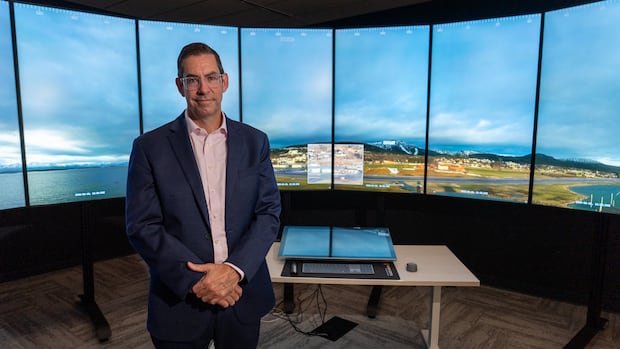
Nav Canada, the country’s civil air navigation service, is preparing a pilot program that would enable remote air traffic controllers to manage flights from distant locations rather than on-site towers. The initiative aims to increase flexibility in managing traffic, particularly during peak periods or staffing fluctuations, by leveraging advanced digital systems and secure communications links.
Dave Sheppard, Nav Canada’s vice-president and chief technology officer, described the plan as a step toward reducing the need for a controller to be physically present at every airport. The technology involved includes high-definition surveillance, data sharing, and robust risk management processes designed to maintain safety and efficiency in the national airspace.
Officials say the pilot will focus on ensuring that remote controllers can perform core duties with the same level of situational awareness as on-site staff. This includes monitoring aircraft movements, issuing clearances, and coordinating with local airport operations and ground teams. The program would also assess how remote oversight impacts response times, workload distribution, and contingency procedures in case of technical issues or weather disruptions.
The proposal arrives amid broader discussions about modernization in Canada’s air traffic system, with a clear emphasis on improving resilience and efficiency. Proponents argue that remote control could help balance staffing challenges and optimize resource allocation, particularly at airports with limited physical control towers or during periods of high traffic.
Critics, however, caution that shifting some control functions away from physical locations could raise concerns about latency, reliability, and public acceptance. Stakeholders emphasize that any rollout would be incremental, backed by rigorous testing, and accompanied by comprehensive safety case documentation and public communication.
Nav Canada plans to publish more details on the pilot’s scope, participating facilities, and evaluation criteria in the coming weeks as the project advances toward implementation milestones.