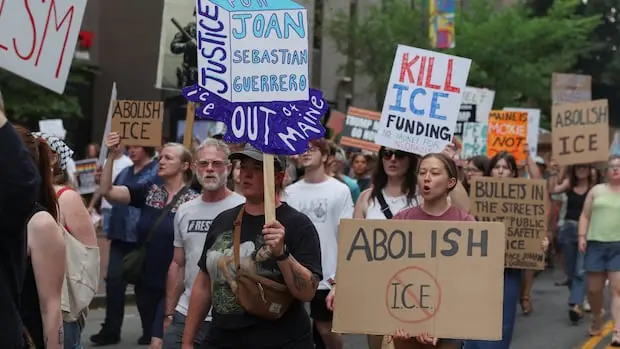
The incidents central to the pause occurred in Texas and Maine, where ICE agents fatally shot two men during engagements with suspects. The encounters prompted concern and sparked demonstrations, including protests in major cities and at least one visible display of opposition to ICE tactics, as shown in public marches and placards calling for ICE abolition in some demonstrations.
White House officials indicated that the decision to resume or continue enforcement actions such as traffic stops would be left to ICE leadership, emphasizing a focus on agency safety and operational readiness. The pause, described as temporary, followed preliminary investigations into the circumstances of the shootings and the use of force by ICE agents.
Critics have long challenged ICE enforcement practices, arguing that traffic stops and other actions can escalate tensions and put civilians at risk. Supporters, however, contend that aggressive enforcement is necessary to deter illegal immigration and address public safety concerns.
In responding to questions about the policy, Trump reiterated that federal officers would continue their broader enforcement duties, including vehicle stops, while acknowledging ongoing oversight and review of the incidents that triggered the pause. He did not offer details on any immediate policy changes or reforms intended to address criticisms of ICE procedures.
Industry observers note that the situation illuminates the tension between rapid law enforcement actions and public accountability in immigration enforcement. As the investigations proceed, authorities have stressed that any use of force will be reviewed to determine whether it complied with departmental policies and applicable law.