A national monument to 2SLGBTQ+ Canadians holds personal meaning for those who were purged from the civil service, the RCMP, and the military due to their sexual orientation, as new memorial efforts unfold in Ottawa and beyond. The piece centers on the impact of discrimination during the Cold War era through the 1990s, when thousands faced dismissal or removal from service.
The CBC report highlights survivors and relatives connected to the purge, including individuals from Vancouver and relatives of public figures. The monument aims to recognize the decades of systematic discrimination described by those affected, who were removed from service for who they were rather than for any professional shortfall. The article situates the monument as a place of remembrance for those who endured firing and exclusion in government and security sectors.
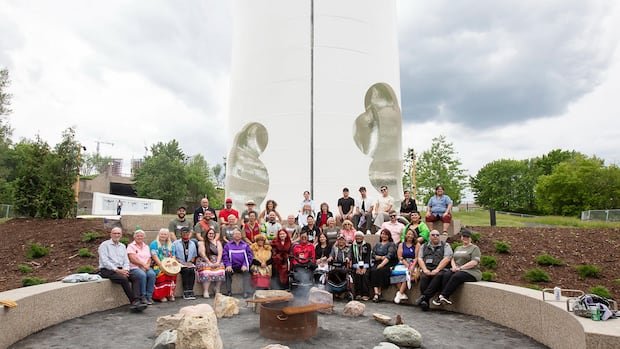
Visuals accompanying the report show a gathering in Ottawa near the monument, reinforcing the emotional resonance of the memorial for victims and their families. The coverage connects the broader history of 2SLGBTQ+ rights to the ongoing process of acknowledgment and reconciliation, underscoring the collective memory upheld by the victims’ communities.
The piece notes the scope of purges that spanned multiple institutions, illustrating how sexuality served as a basis for exclusion across government and security roles. It frames the monument as a tangible acknowledgment of past injustices and a step toward honoring those affected, including individuals connected to public figures and communities across Canada. The article does not speculate on future policy outcomes but emphasizes the monument’s significance as a focal point for remembrance and dialogue about 2SLGBTQ+ inclusion in Canadian institutions.