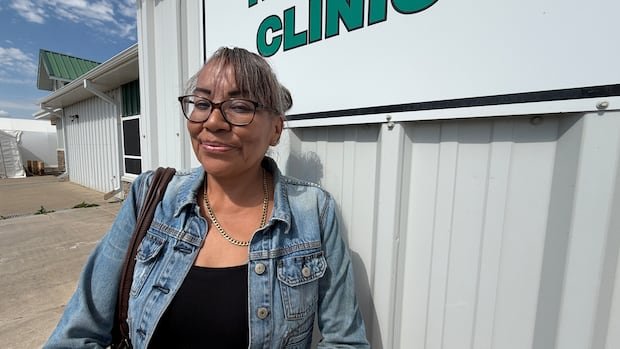
A new partnership is bringing a doctor directly to First Nation communities in Saskatchewan, aiming to shorten the distance to care for patients like Melanie Kahmahkotayo and to address diabetes and other conditions. The initiative places a physician in a local health clinic to serve the community, reducing the need to travel for routine visits and urgent needs alike.
Officials say the model helps break down barriers that have long hindered Indigenous patients, including the logistical challenges of reaching distant facilities and the time costs tied to travel. The presence of a local doctor is described as a step toward improved health outcomes by increasing access to primary care services.
However, providers emphasize that access is only one piece of a larger puzzle. They acknowledge that experiences of racism and mistrust toward the health system can shape patients’ interactions with care. The new approach seeks to address these softer barriers by establishing a more consistent presence of medical staff and fostering familiarity and trust within the community.
The story is highlighted by the experience of community members who previously lacked a family doctor for many years, underscoring the impact of local medical support. The clinic setting is depicted as a focal point for ongoing health management, including conditions like diabetes, which require regular monitoring and guidance.
While the initiative marks a notable shift in how care can be delivered to remote Indigenous communities, organizers and clinicians remain focused on expanding access beyond initial placements and continuing to tackle underlying issues of trust and systemic barriers. The effort signals a potential model for delivering primary care closer to home, with patients benefiting from more timely, locally available medical attention.