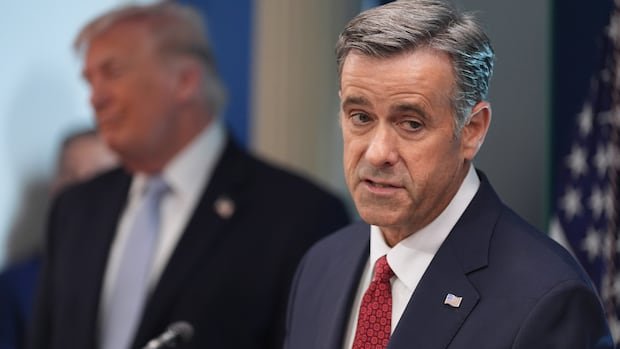
Donald Trump’s tariff threats and talk of making Canada the 51st U.S. state have been cited as factors that reshaped the federal election, and now the Quebec provincial campaign is entering a period where his influence is being weighed anew. As Quebec moves toward its own vote, observers question whether the U.S. president’s approach could again tilt the political terrain.
The CBC piece frames Trump’s influence as a standout element of the national political moment, noting that his blunt rhetoric and policy ideas previously affected voter attitudes in Canada. In Quebec, the discussion centers on how these international moves might intersect with local campaigns and party strategies.
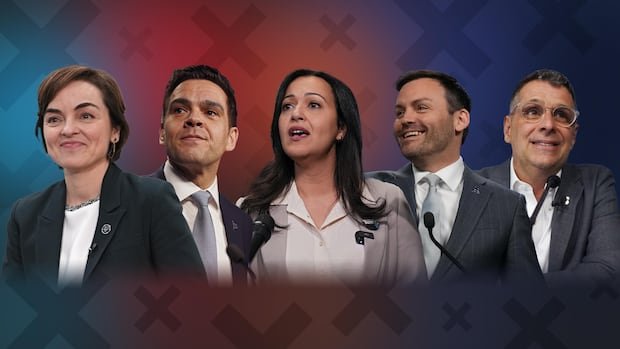
The article highlights five primary party contenders for premier in Quebec, portraying them against a backdrop of external pressures and nationalist currents. Christine Fréchette, Charles Milliard, Ruba Ghazal, Paul St-Pierre Plamondon, and Éric Duhaime represent the main choices as the campaign unfolds. Their positions and campaigns are discussed in the context of how U.S. political discourse could resonate with Quebec voters, particularly on economic and trade themes.
While the piece raises the possibility of a continued U.S. influence, it stops short of predicting outcomes or detailing concrete policy shifts tied to Trump’s approach. Instead, it frames the question as a dynamic: could the same well of external factors—tariffs, rhetoric, and perceived outsider pressure—shape Quebec’s electoral choices as the campaign progresses?
In short, the Quebec campaign enters with a heightened awareness of American political currents. Whether those currents will steer voters as they did in the federal race remains to be seen, but the potential for cross-border political resonance is now part of the conversation as parties map their messages to a province positioned at the junction of domestic and international economic touchpoints.