A fresh historical inquiry in southwest Nova Scotia is unearthing clues to a mystery that has lingered for centuries along a river’s edge. An amateur historian’s investigation has sparked a concerted effort by researchers to map and interpret finds in a marshy landscape near a presumed mill site.
Observers describe the ongoing work as a careful reconstruction of the past, with staff from the Nova Scotia Museum actively examining a historic dike and surrounding terrain. The project centers on a river in the region, where investigators are following leads that they believe could illuminate North America’s early industrial and settlement history.
While details remain tightly scoped, the initiative is presented as a methodical excavation of long-lost traces rather than a single discovery. The researchers are leveraging fieldwork to locate artifacts and features tied to a site once linked to a mill, with the broader aim of piecing together how the area was used in earlier centuries.
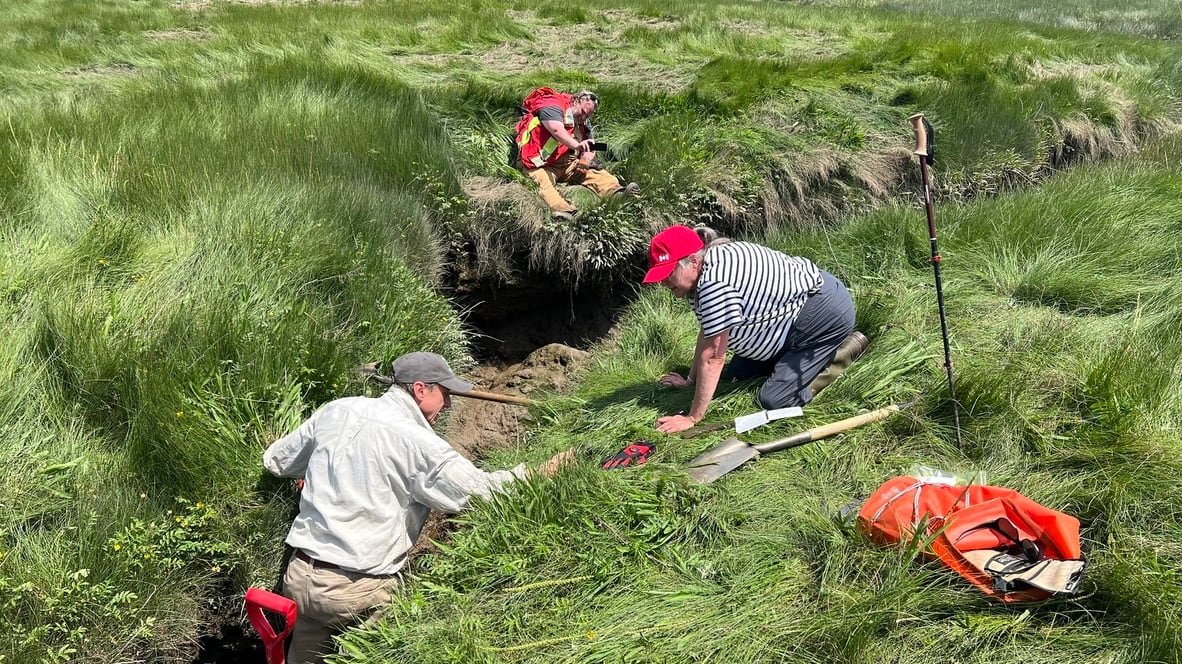
The imagery accompanying the effort shows archaeologists at work along the riverbank, using shovels and other tools to carefully probe the dike and adjacent marsh. The narrative emphasizes collaboration between an amateur historian—whose curiosity catalyzed the project—and professional historians and museum staff who are guiding the interpretation of finds.
Officials have not yet disclosed a definitive breakthrough or a precise date for when the mystery may be resolved. What is clear is that the investigation is progressing in a complex wetland environment, where researchers must navigate water, soil, and historical records to reconstruct the story of the site.
This evolving effort highlights the enduring allure of regional archaeology: small clues in a seemingly ordinary marsh can open windows into centuries past. As work continues, the team aims to translate tangible discoveries into a clearer picture of the river’s historical role in the area’s development.