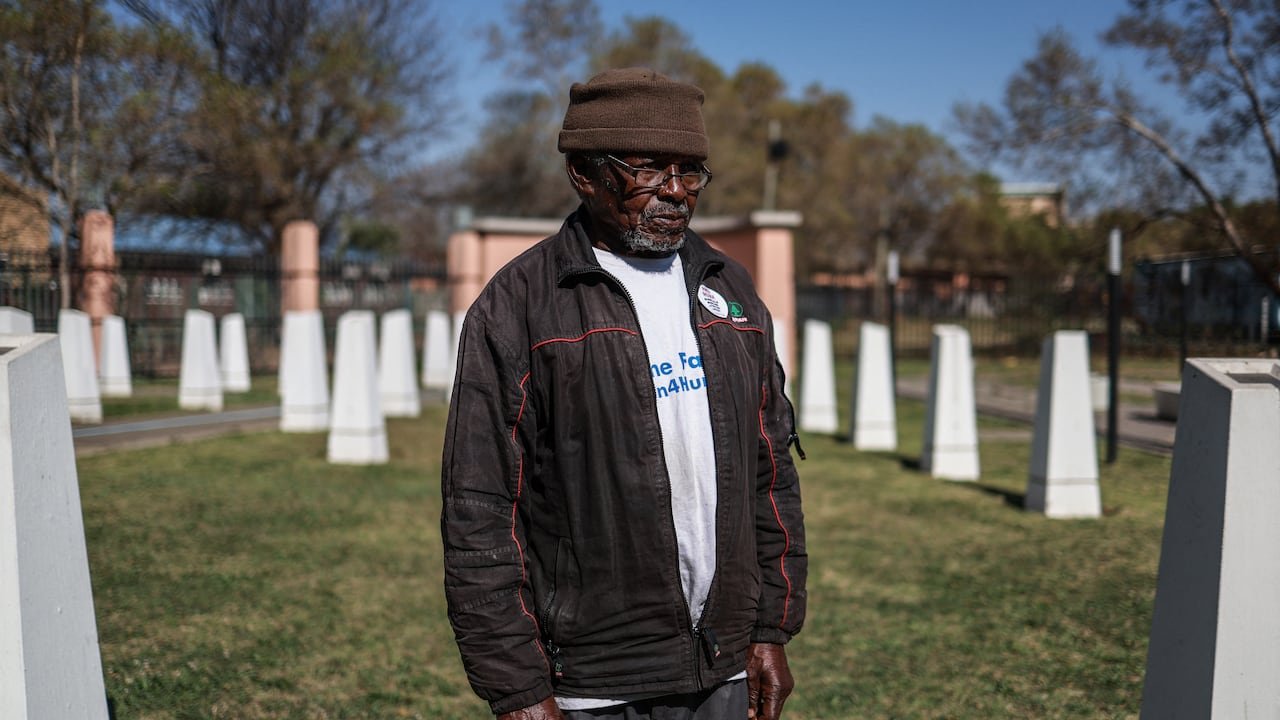
Survivors and relatives of victims from the Sharpeville massacre have launched a legal bid against the South African government, aiming to overturn an apartheid-era rule that blocked reparations claims. The action targets the legal impediment that has long barred such suits, with plaintiffs seeking redress decades after police opened fire on unarmed protesters.
The case centers on the 1960 Sharpeville massacre, when police killed dozens of people during a demonstration against pass laws. The incident, a defining moment in the fight against apartheid, drew international attention to the regime’s brutality. The new legal move comes more than six decades later, as survivors and families pursue accountability and potential reparations.
Lawyers for the survivors and relatives announced the launch of the action on September 3, aligning the filing with anniversary reflections and the ongoing impact of the tragedy on those still affected. The plaintiffs seek to overturn a legal barrier tied to apartheid-era legislation that has prevented them from pursuing reparations in court.
Details about the legal strategy, the exact basis for overturning the law, and the potential remedies sought were not provided in the available summary. The filing signals a renewed effort to address past injustices and to secure recognition or compensation for the victims’ families.
As the case unfolds, observers note that the Sharpeville massacre remains a watershed moment in South Africa’s history, highlighting enduring questions about accountability and transition from apartheid to a democratic society. The plaintiffs’ action places the government under renewed scrutiny over how it confronts historical harms and offers a pathway, if successful, toward reparations for those affected.