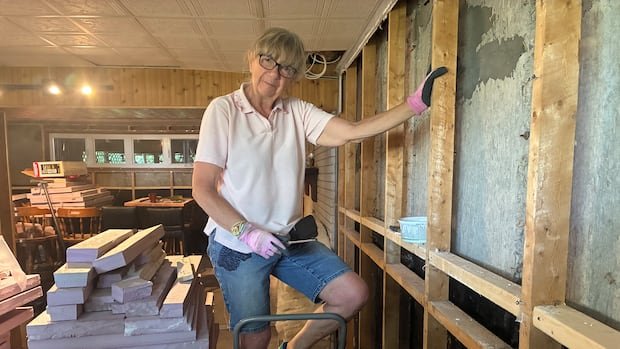
The article centers on residents like Arlene Thompson-Maclaren, who has rebuilt her basement for the third time since 2024. The image accompanying the story shows the ongoing cycle of damage and reconstruction faced by families in the region, signaling a broader trend beyond isolated incidents.
Experts cited by the report point to multiple contributing factors. Heavier and more intense rainfall events are filling drainage systems more quickly, while aging municipal infrastructure struggles to keep pace with demand. Urban development in and around Montreal has also reduced natural infiltration areas and increased surface runoff, compounding the risk of basement flooding during storms.
City officials and engineers acknowledge that a single solution will not suffice. Preventive measures cited in the coverage include improving drainage capacity, upgrading sewer networks, and encouraging property-level defenses such as robust waterproofing, sump pumps, and backflow prevention devices. However, experts warn that investments must be paired with proactive planning and climate-adaptation strategies to curb recurring flood damage.
Residents say the recurrent floods have reshaped their approach to home maintenance and disaster readiness. Some households report elevated insurance premiums or stricter reporting requirements from insurers when claims arise after heavy rainfall. The CBC story notes that communities across the Montreal region are examining how to balance development with resilience, including revised building codes and targeted infrastructure upgrades.
While no single fix will reverse the trend, the report suggests that a combination of resilient infrastructure, updated flood-mitigation standards, and individual preparedness will be essential as the climate continues to influence precipitation patterns in southern Quebec.