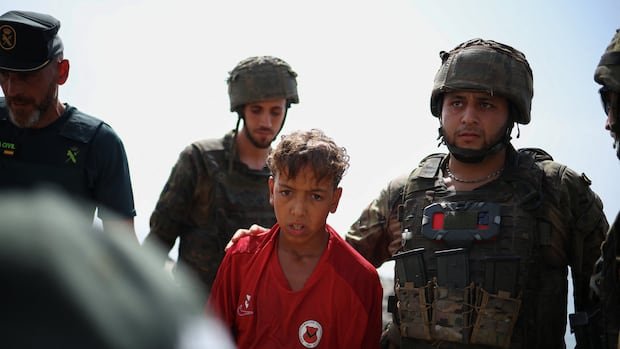
Initial reports indicate that the fatalities happened during encounters at sea and along the border while many migrants sought to enter Ceuta by land or at sea. Spanish authorities and international aid groups have been gathering survivors and coordinating search-and-rescue efforts, with medical teams treating the injured and authorities working to identify the deceased.
The episode has become a focal point in debates over migration policy within the European Union. Some EU politicians and far-right factions have placed emphasis on Spain’s role in managing the border, arguing that national practices contributed to the surge. The discourse, however, has largely overshadowed the broader humanitarian dimensions of the tragedy, according to migration researchers who say the root causes are more complex and include poverty, conflict, and instability in origin countries, as well as long-standing migratory routes into Europe.
Advocates for migrants emphasize the need for joint EU action to manage border security while ensuring safe passage and legal channels for those fleeing danger. They call for improved rescue operations, more robust asylum procedures, and better protection for vulnerable populations, including unaccompanied minors and families.
Spain’s government has not released a final tally of deaths, and the exact scale of the incident remains under investigation as rescuers continue to comb affected areas. International organizations have urged restraint in political rhetoric and stressed the importance of coordinated responses that balance border controls with humanitarian obligations.
As the region absorbs the immediate shock, analysts say the political debate in Europe is likely to persist, potentially shaping migration policy for months to come. The focus, they caution, must remain on the people who perished and those currently at risk along migratory routes into Europe.