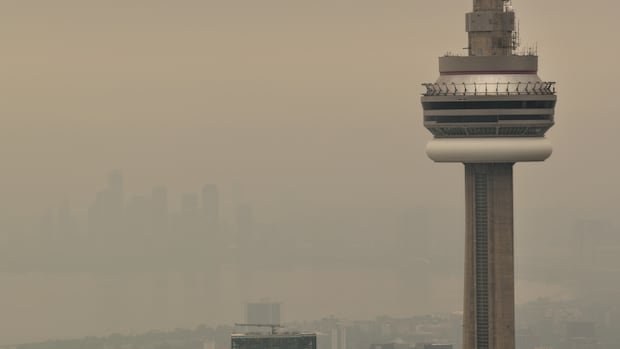
Images showing thick smog over the city have raised questions about current approaches to wildfire control and land stewardship. While authorities continue to respond to active fires and implement suppression tactics, researchers emphasize that tempering climate-driven fire activity is essential to long-term air quality improvements.
Experts point to rising temperatures, prolonged droughts, and shifting wind patterns as drivers of more frequent and severe fires in many regions. In this view, reducing greenhouse gas emissions and adopting climate-resilient land-management practices are central to limiting smoky episodes that affect urban areas far from fire sites.
The report underscores a tension between immediate fire-fighting needs and the larger, slower-moving policy changes required to curb fire outbreaks. Critics argue that while immediate suppression remains necessary, it should be paired with intensified measures to cut emissions, restore forests, and adapt infrastructure and communities to a warming climate.
Officials have not disclosed plans to alter current firefighting budgets or tactics in response to the smoke event, but the coverage highlights a growing expectation among scientists that climate policy will determine future smoke patterns as much as anything else. The discussion also touches on regional preparedness, cross-border air quality considerations, and the potential health impacts of degraded air during wildfire seasons.
In summary, while immediate responses to wildfires are ongoing, the scientific consensus emphasized by the reporting centers on large-scale climate action as the most reliable fix to reduce long-term smoke exposure in cities like Toronto. The message remains clear: significant emissions reductions and climate adaptation are needed to lessen the frequency and severity of smoke in the years ahead.