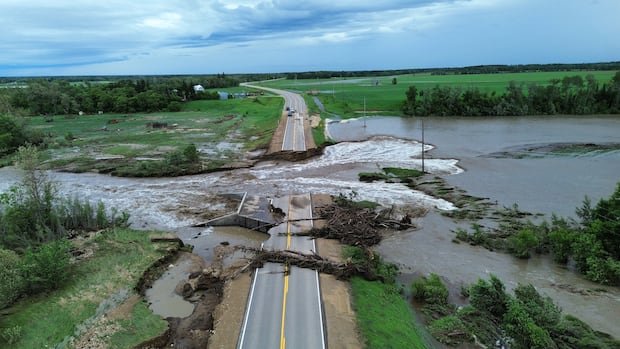
Officials point to a pattern of more frequent and intense floods and wildfires, which have required emergency responses, infrastructure repairs, and cost-sharing with federal programs. The report notes that the combined expenditures from wildfires and flood relief over the last two years surpass typical annual disaster-related spending, creating a pressure point for any budget cycle planned around conventional revenue projections.
Analysts emphasise that the short-term budget consequences are likely to include higher emergency response expenditures, accelerated infrastructure repairs, and potential redirection of capital budgets to bolster resilience. This may influence investment decisions across sectors such as transportation, energy, and public safety. The longer-term implications involve integrating climate resilience into fiscal planning, including better-adapted infrastructure, updated floodplain management, and proactive wildfire mitigation.
The government has signaled a recognition of these challenges, suggesting that resilience will be a central pillar of fiscal policy going forward. Debates within the public sphere are expected to focus on balanced approaches that protect essential services while expanding capacity to prevent or mitigate future disasters. This includes considerations for additional funding mechanisms, insurance strategies, and potential federal assistance to share the burden of costly climate-related events.
As Manitoba navigates the current cycle of disasters, the key question remains how the province will align its budget with an evolving climate landscape, ensuring that short-term relief measures do not compromise long-term fiscal stability. The report underscores that the outcomes of these decisions will shape Manitoba’s resilience and financial health in the years ahead.