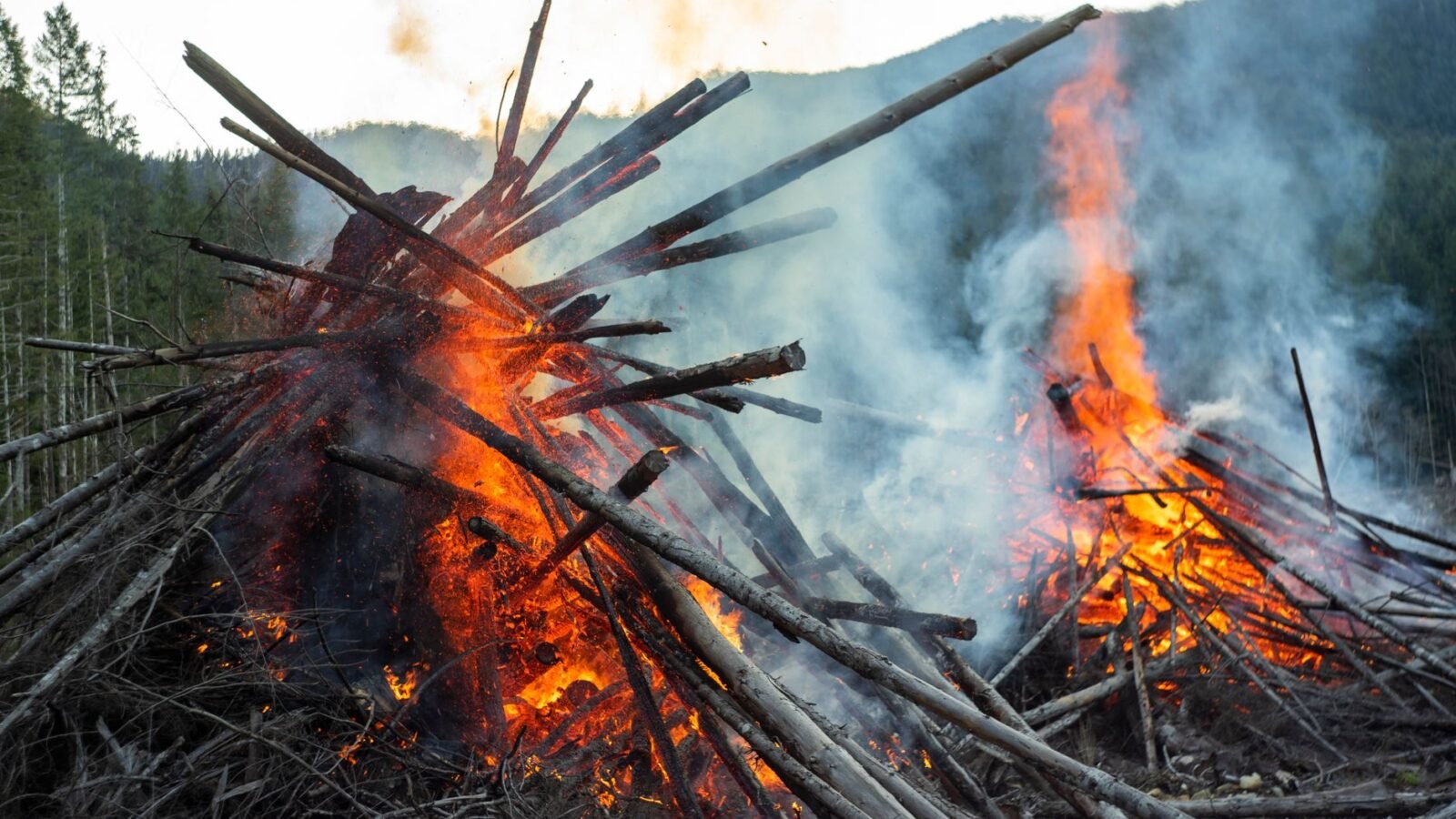
Grape growers in the Okanagan Valley of British Columbia are raising alarms about the effectiveness of the current crop insurance model, citing significant challenges posed by wildfire smoke taint. This issue has emerged as a pressing concern for the region’s viticulture industry, particularly as wildfires have become more frequent and intense in recent years.
Growers report that the smoke from wildfires can adversely affect the quality of grapes, leading to a decline in the marketability of their products. Many are finding that the existing crop insurance does not adequately cover losses incurred due to smoke exposure, leaving them vulnerable to financial instability.
“The current insurance model does not account for the unique challenges we face with smoke taint,” said a representative from the Okanagan grape growers’ association. “We need a system that reflects the realities of our climate and the risks associated with wildfires.”
Impact of Wildfire Smoke on Grapes
Wildfire smoke can lead to the absorption of volatile phenols by grapes, which can result in undesirable flavors and aromas in wine. This phenomenon has been observed in various regions affected by wildfires, and Okanagan growers are increasingly concerned about the long-term implications for their vineyards.
As the climate continues to change, the frequency of wildfires in British Columbia is expected to rise, prompting calls for a reevaluation of the crop insurance policies that govern the agricultural sector. Growers argue that without a more responsive insurance framework, many may be forced to reconsider their operations or even exit the industry altogether.
“We are at a critical juncture,” the representative added. “If we cannot protect our livelihoods, we risk losing not just our businesses but also the rich agricultural heritage of the Okanagan.”
Calls for Policy Reform
In light of these challenges, grape growers are advocating for policy reforms that would better address the risks associated with climate change and natural disasters. They are urging both provincial and federal governments to engage in discussions that could lead to a more comprehensive insurance model tailored to the specific needs of the agricultural community.
As the 2023 growing season comes to a close, the Okanagan grape growers’ plight highlights the urgent need for adaptive strategies in agriculture, particularly in regions vulnerable to climate-related disruptions. Stakeholders are hopeful that increased awareness and advocacy will lead to meaningful changes in crop insurance policies, ensuring the sustainability of the industry in the face of evolving environmental challenges.