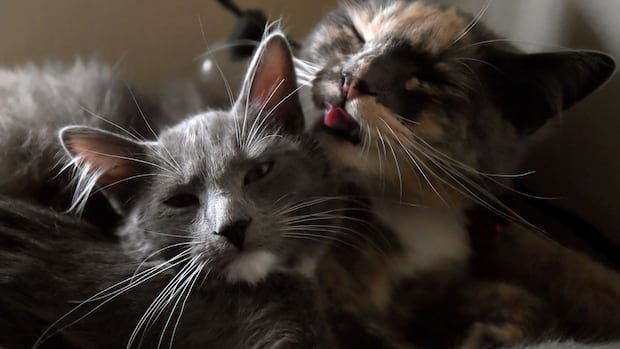
The segment highlights that cat-on-cat grooming serves multiple purposes in daily feline life. When done in a friendly context, grooming can reinforce social bonds, aid in hygiene, and provide mutual comfort. However, experts say the same behavior can become a tool for asserting control over a shared resource, such as a preferred resting spot or a sunny nap area. In these cases, a cat may groom another as a prelude to a light harassment aimed at encouraging the other cat to move away.
Pet behavior specialists advise careful observation of the broader context to interpret intent. Factors to consider include the frequency and duration of grooming episodes, the presence of vocalizations, body language such as ear and tail position, and whether the behavior subsides after a short period or escalates into more overt competition.
Owners are reminded that feline social dynamics vary widely. Some cats coexist peacefully with minimal conflict, while others establish hierarchies through subtle actions, including grooming. When conflicts arise, responses may range from soft, affiliative grooming to more noticeable displacement behaviors, such as one cat occupying a desirable spot and the other moving away.
The CBC report underscores a broader takeaway for cat guardians: grooming should not be assumed to be solely affectionate. Understanding the context and individual feline personalities can help pet owners manage shared spaces more effectively, reducing stress and promoting harmony among multi-cat households.