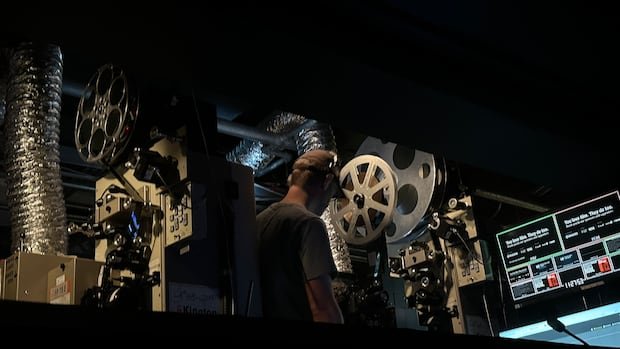
Industry analysts note that the lingering effects of COVID-19, combined with the actors’ and writers’ strikes, disrupted production schedules and dampened box office momentum. In this climate, theater operators have sought to differentiate their offerings, emphasizing the communal aspect of a shared film-going event. The appeal is not simply nostalgia for older technology, but a perception that physical screens and curated viewing environments deliver a more intimate, collective experience.
Several venues have leaned into specialty programming and premium formats to attract younger crowds. One example highlighted in industry coverage is the use of large-format film screenings, including 70mm and laser projection experiences, which provide a distinctive visual quality and a sense of occasion. Proponents argue that these formats offer a tactile link to cinema’s history while delivering modern-scale immersion.
Cultural commentators point to a broader trend: the search for experiences beyond streaming and personalized viewing. For many young spectators, the act of gathering in a theater—sharing reactions, discussing films afterwards, and participating in themed events—adds social and cultural value that online platforms cannot replicate.
The revival is not uniform across markets, and theaters must balance demand with operational costs in a post-pandemic economy. Still, early indicators suggest a steady return of cinema attendance among younger audiences, who appear to be driving interest in retrofitted projection technology and curated, experience-driven programming as a counterpoint to at-home viewing. Industry stakeholders describe the development as an “analog renaissance” that could shape how theaters curate content and compete in the evolving entertainment landscape.