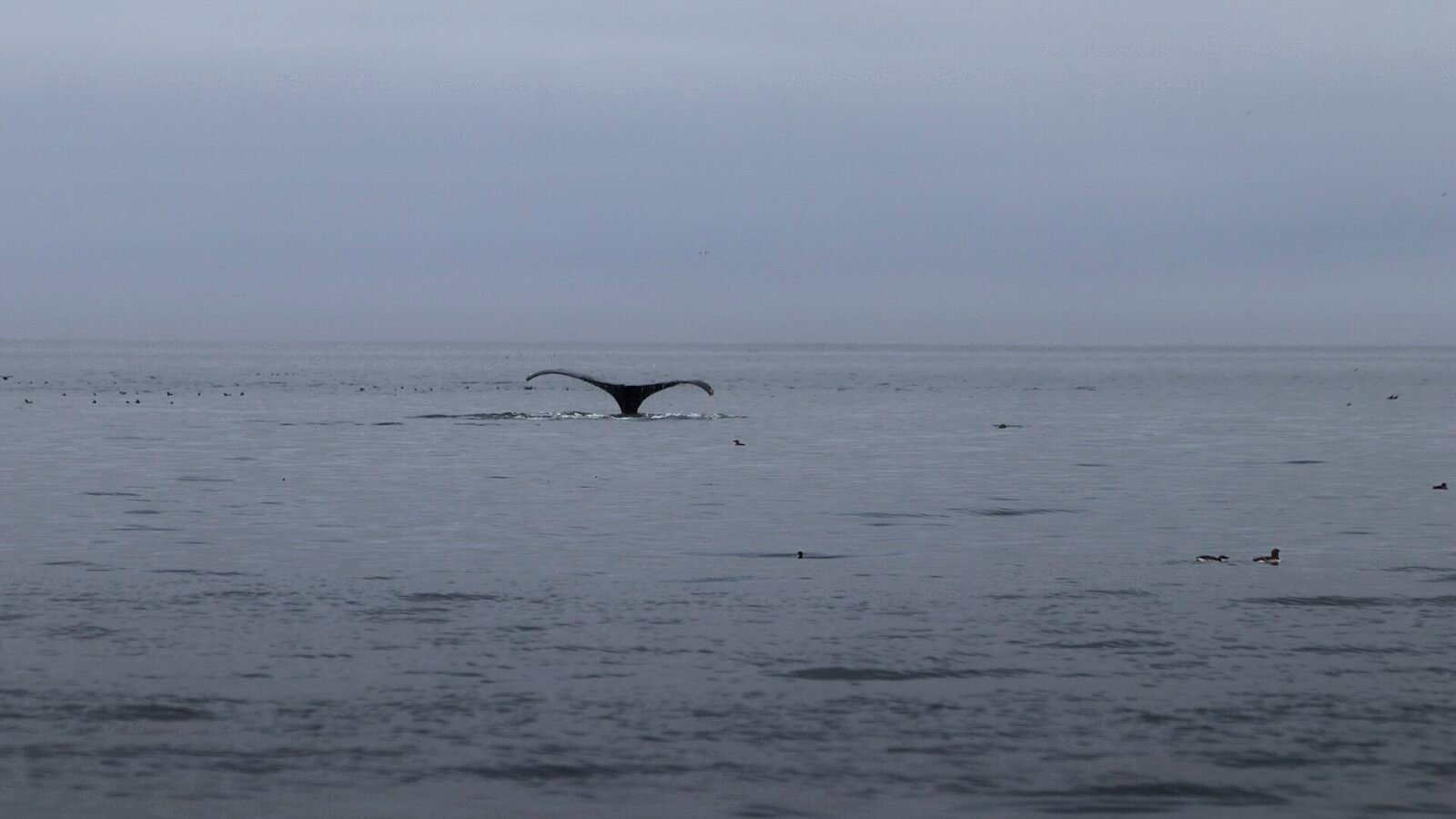
Researchers on the British Columbia coast are employing drone technology to collect whale snot, a method aimed at advancing genome sequencing efforts for these marine mammals. The initiative represents a significant step in non-invasive wildlife research, allowing scientists to gather genetic material without disturbing the whales.
The project, which has garnered attention for its innovative approach, involves flying drones equipped with specialized collection devices over areas where whales are known to surface. When whales exhale, they release a fine mist that contains mucus, skin cells, and bacteria, which researchers can then analyze for genetic information.
Advancements in Marine Research
Dr. John Smith, a marine biologist involved in the project, stated, “Using drones allows us to gather samples in a way that is less intrusive and more efficient than traditional methods.” The collected samples can provide insights into the health and genetics of whale populations, which are crucial for conservation efforts.
This drone-based method not only minimizes the stress on the animals but also increases the volume of samples that can be collected in a shorter period. Researchers believe that understanding the genetic diversity among whale populations is essential for their protection and management.
The use of drones in wildlife research has been on the rise, with various studies demonstrating their effectiveness in monitoring animal populations and habitats. The ability to access hard-to-reach areas without human interference is a game-changer for scientists.
Implications for Conservation
As whale populations face threats from climate change, shipping traffic, and fishing activities, this research could play a critical role in developing strategies for their conservation. The genetic data obtained from the whale snot can help identify population structures and inform policy decisions aimed at protecting these species.
Dr. Smith emphasized the importance of collaboration in this research, stating, “We are working with local Indigenous communities and other stakeholders to ensure that our findings benefit both science and conservation efforts.” This collaborative approach aims to integrate traditional ecological knowledge with modern scientific methods.
The project is part of a broader initiative to enhance understanding of marine ecosystems and the species that inhabit them. Researchers hope that the findings from this study will contribute to a greater awareness of the challenges faced by whales and the importance of preserving their habitats.