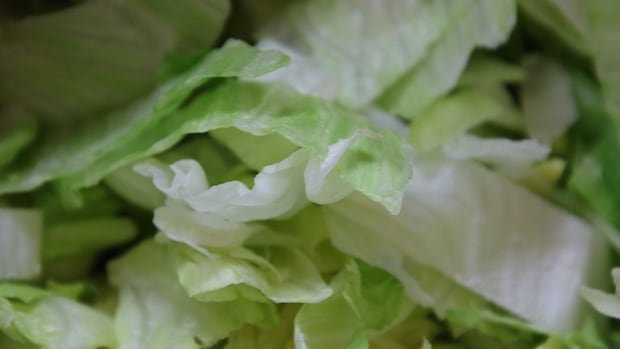
Public health officials say the outbreak is associated with produce that has come into contact with human feces at some point in the supply chain. The investigation began as cluster reports emerged across multiple states, prompting federal and local health agencies to collaborate with laboratories and food distributors to identify likely sources and routes of contamination.
Early findings indicate the parasite can contaminate fresh produce, particularly leafy greens, if exposed to contaminated water or hands during growing, harvesting, processing, or packaging. Cyclospora requires a fresh-water-based environment and can persist on food products that are not adequately washed or cooked.
Health authorities have emphasized that there is no person-to-person transmission; rather, illness is linked to ingesting contaminated food or water. Symptoms typically include watery diarrhea, loss of appetite, stomach cramps, and fatigue, and may last several days to weeks if not treated. Individuals with weakened immune systems, older adults, and those with chronic illnesses may experience more severe illness.
In responding to the outbreak, investigators are reviewing suppliers, distributors, and retailers connected to reported cases. They are advising consumers to practice thorough kitchen hygiene, wash produce under running water, and avoid consuming raw or undercooked leafy greens from sources under investigation. People who develop prolonged diarrhea or severe symptoms after consuming suspected produce should seek medical care, as Cyclospora infections can require antimicrobial treatment.
While the exact source has not yet been confirmed publicly, the coordinated effort involves federal agencies, state health departments, and industry partners to trace supply chains and implement corrective measures. Officials say continued surveillance and case reporting will guide ongoing recommendations to reduce exposure risk and curb further illnesses as the inquiry proceeds.