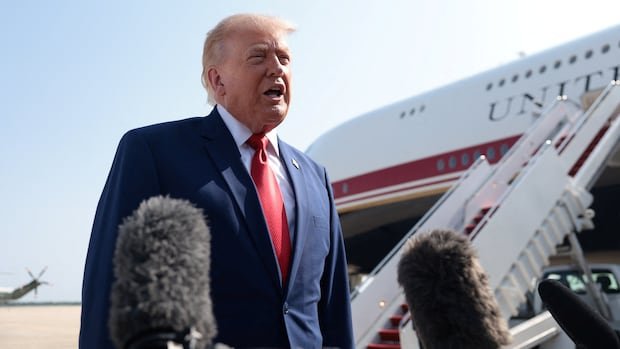
Trump’s comment frames Iran as ultimately accountable for strikes or other aggressive moves carried out by the Houthis, who have been at the center of Yemen’s long-running civil war and regional tensions. The president did not specify any particular attack or timeline, but his statement signals a clear posture of deterrence and potential punitive measures in response to Houthi actions.
The development occurs amid broader concerns about escalation in the Middle East following the Houthis’ declaration and continued regional hostilities. Saudi Arabia and its Gulf allies have been targets of Houthi missiles and drone attacks in recent years, often attributed to support from Iran, though Tehran has denied direct involvement in some instances.
U.S. officials have repeatedly tied Houthi capabilities to external support while pursuing diplomatic avenues and sanctions to deter further aggression. The White House has previously warned of consequences for entities sponsoring or enabling such attacks, emphasizing the aim of stabilizing the region and protecting civilian populations.
Saudi Arabia has not publicly confirmed a blockade by the Houthis, but international observers view the move as a potential escalation tactic tied to broader strategic contest in the Red Sea and Gulf regions. The Houthis have cited grievances against foreign intervention in Yemen and restrictions on their maritime activities as justification for their measures.
Analysts say the situation warrants close monitoring, given the volatility of Houthi tactics and the potential for inadvertent spillover to international shipping routes and energy markets. U.S. policymakers are likely to continue pressuring Iran to constrain allied groups and to work with regional partners on de-escalation efforts, while addressing humanitarian and security concerns in Yemen.