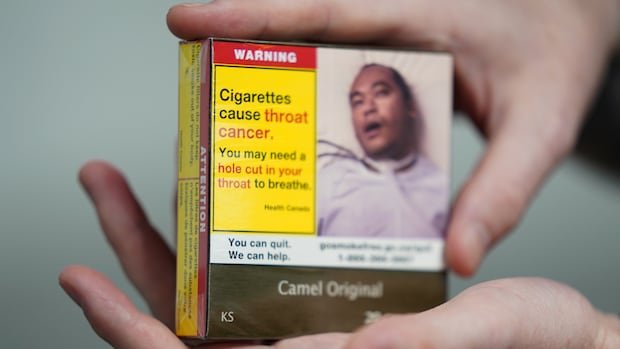
Canada is implementing a new set of graphic image warnings on cigarette packages, a move health and tobacco-control experts say will significantly strengthen the impact of warnings on consumers. The update requires the revised packaging to be in place by August 1.
The warning images, which depict severe health consequences of smoking, are designed to complement existing text warnings. Experts interviewed in relation to the rollout describe the images as more effective at communicating risks, suggesting they increase attention and memory retention about the harms of tobacco use.
Officials did not specify whether the new images will apply to all tobacco products or if there will be staggered adoption for different brands, but the August 1 deadline indicates a nationwide implementation timeline. The changes come as part of broader public health efforts to reduce smoking rates and prevent tobacco initiation, particularly among youth.
The campaign continues to emphasize that smoking remains a leading cause of preventable illness and death, with packaging serving as a front-line tool in discouraging tobacco use. Health advocates say that visual warnings can convey visceral, immediate consequences, potentially prompting quit attempts among current smokers and deterring potential new users.
The government has not released a comprehensive list of the specific images or the exact messages accompanying the new packs. However, observers note that the imagery aligns with established international practice seen in several other countries that mandate graphic warnings on cigarette packaging.
Critics of stricter packaging requirements argue about potential economic impacts on manufacturers and retailers, but proponents contend the public health benefits outweigh these concerns.
The updated warnings follow recent policy discussions surrounding tobacco control and reflect ongoing efforts to curb cigarette consumption through more conspicuous and memorable health messaging. The August 1 deadline marks the endpoint for manufacturers to transition to the new packaging across the country.