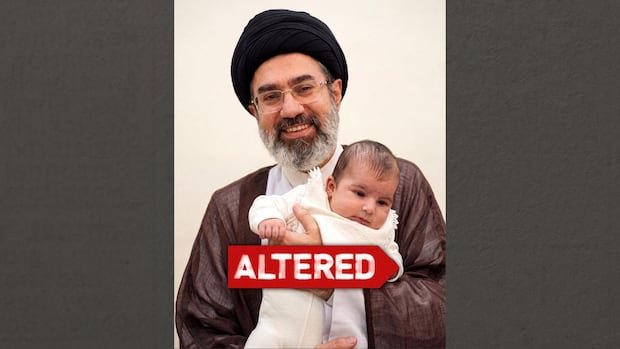
Officials noted that Ayatollah Khamenei has not appeared in public since February 28, when an attack attributed to U.S. and Israeli forces killed his father and several relatives. Iranian state media and other outlets have not released verifiable photographs or video of the leader in the interim period, leading to increased attention on imagery circulated online.
Representatives from the fact-checking initiative reviewed the image’s provenance and digital signatures and determined that the visual content bears signs of AI-based creation or manipulation. The analysis did not rely on the image’s aesthetic alone but considered metadata and contextual inconsistencies in accompanying captions commonly associated with AI-generated media.
The development highlights ongoing challenges surrounding the verification of photographs and videos in regional news, especially regarding high-profile political figures whose public appearances are tightly controlled. Fact-checkers emphasize the importance of cross-referencing multiple, independent sources and seeking official confirmation before attributing new public appearances to senior leaders.
Experts noted that advances in AI-generated imagery can produce convincing depictions of individuals who are rarely seen in public, complicating efforts to discern authentic records from doctored content. The incident underscores the broader need for media literacy and robust verification workflows for outlets and audiences alike.
CBC News did not publish the image itself. This report summarizes the fact-check finding: the circulating image of Ayatollah Khamenei was artificial or edited with Google AI technology, and there is no corroborating evidence of a recent public appearance by the Iranian leader. No additional confirmation from Iranian authorities has been provided.