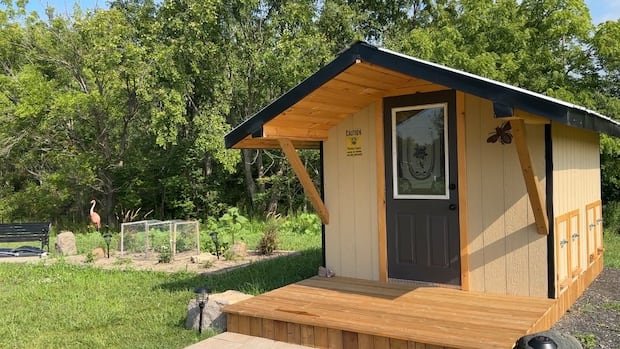
Graham runs the bee bed therapy as part of a broader trend in Canada where several locations offer the experience. The premise, according to promoters, is that the presence of bees and the act of laying beneath them can promote mental health benefits, including reduced anxiety and a sense of calm. Visitors can accommodate up to six people at a time, according to descriptions of the therapy space.
Despite the anecdotal accounts of relaxation and stress relief, experts note that there is a lack of robust scientific evidence supporting the therapeutic claims of bee bed therapy. Researchers and clinicians have yet to establish definitive causal links between bee exposure in this context and measurable improvements in mental health outcomes. Advocates, however, argue that the experience may offer a multisensory pathway to reducing stress and promoting well-being, particularly for individuals seeking non-traditional approaches.
Beekeeping and apitherapy have a history in wellness circles, but the Ontario program remains relatively niche. The farm’s setup emphasizes safety and containment, with screens designed to prevent direct contact while allowing the perceived presence of a live hive environment. Visitors pay for the session and may combine it with other farm-based wellness activities offered on-site.
As interest in mental health resources grows, bee bed therapy stands at the intersection of tourism, wellness trends, and horticultural farming. While supporters laud its calming effects, the lack of conclusive scientific evidence means the practice remains a personal experience rather than a proven treatment. Further studies may be needed to determine whether bee bed therapy can deliver measurable benefits beyond subjective relaxation.