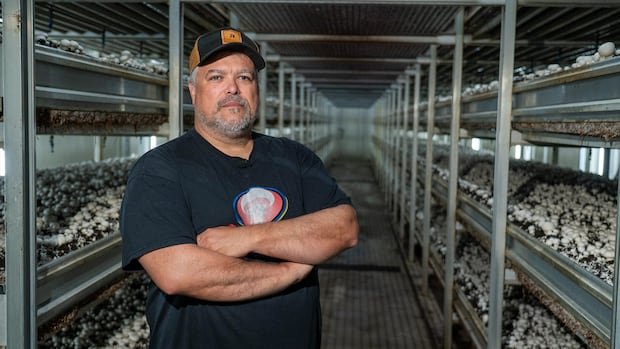
Industry participants say the tariffs could prompt exporters to adjust their strategies, potentially increasing domestic sales in Canada while reducing shipments south of the border. Mike Medeiros, a partner at Carleton Mushrooms in Carleton Place, Ontario, said the added duties heighten uncertainty for suppliers and could shift volumes in ways that are difficult to predict.
Farmers note that Canada and the United States share a sizable cross-border mushroom trade, with Canadian producers supplying a portion of the U.S. market and Canadian consumers relying on both domestic and imported mushrooms. They caution that tariff-related price changes could ripple through supply chains, affecting pricing, logistics, and competitiveness.
Analysts familiar with agricultural trade say tariffs often influence sourcing decisions for retailers and processors, potentially reshaping market shares if U.S. buyers pivot to other suppliers or Canadian producers redirect more product to Canadian customers to offset losses in the United States.
The article highlights the broader context of ongoing tariff discussions between the two countries, which has created a climate of concern among farmers who rely on cross-border demand. Industry representatives stress the need for clarity on the duration and scope of the tariffs, as well as potential exemptions or relief measures that could mitigate adverse effects.
Officials from participating mushroom producers emphasize the importance of monitoring market responses and adjusting business plans accordingly. While some operators may seek to diversify export destinations, others may increase investments in domestic demand and production efficiency to weather tariff-related shifts.
The impact of the tariffs remains uncertain as farmers await further guidance and potential policy adjustments. In the meantime, growers across Ontario are assessing risk, exploring price strategies, and considering how cross-border trade dynamics could evolve in the coming months.