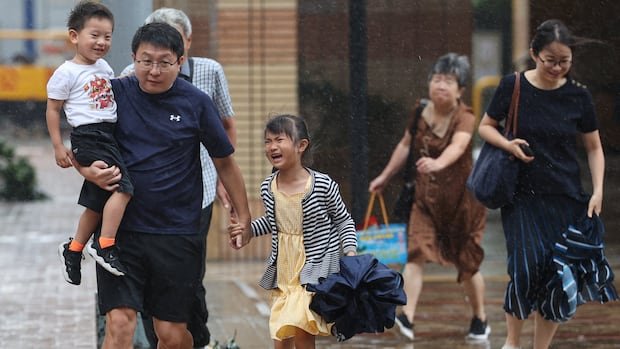
Typhoon Noul came ashore with strong winds and heavy rainfall, impacting the Guangdong and Hainan regions, including the densely populated city of Hong Kong. Local governments reported the landfall triggered immediate emergency responses, with evacuation orders issued for coastal and low-lying areas and the deployment of disaster-relief personnel to shelters.
Emergency agencies said the weather system caused widespread travel disruptions, though there were no confirmed reports of fatalities as of midday. Authorities advised residents in affected zones to stay indoors, secure belongings and avoid flood-prone routes. The Hong Kong Observatory issued warnings and emphasised that conditions could deteriorate rapidly as the storm moved inland and interacted with the region’s terrain.
Officials cautioned that the typhoon’s effects could include life-threatening storm surges, structural damage from gusts, and significant rainfall leading to flash flooding and landslides in vulnerable counties. Weather services projected that Noul’s influence would persist as it weakened after landfall, with residual rainfall and high winds expected to continue into the evening.
Transportation agencies suspended some cross-border services and limited ferry routes to ensure passenger safety. Schools remained closed in multiple districts, while businesses and markets prepared for potential power outages and debris from storm-related debris.
Local residents described taking precautions such as boarding up windows, stocking up on essentials and seeking shelter in safer rooms or community centers. Authorities urged the public to heed official updates and avoid unnecessary travel until conditions stabilize.
Disaster-response teams are coordinating with provincial authorities to assess damage, provide food and medical aid at shelters, and plan for post-storm recovery. Weather forecasts indicate the typhoon will gradually lose strength as it moves further inland, though authorities say the threat from Noul will not end immediately.