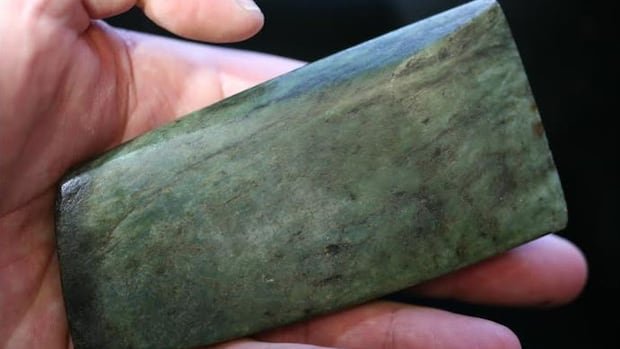
The artifacts, described as ancient tools and ceremonial items, indicate that jade reached communities far from its geological sources. The research aims to map how these items traveled, revealing routes that connected distant regions and facilitated interactions among diverse groups.
Experts emphasize that the jade objects demonstrate logistical coordination and long-distance relationships among Indigenous populations long before colonization. By tracing the provenance of the materials and comparing craftsmanship techniques, scholars can infer trade ties that linked communities across the plains and foothills.
The study also highlights the broader significance of these findings for interpreting pre-contact economies in Western Canada. Jade and other stone celts were valued for both utilitarian and symbolic purposes, and their circulation points to a complex network of exchange that supported social and ceremonial practices.
While the exact origins of all jade pieces remain under investigation, the research team notes that the distribution pattern aligns with known trade corridors, helping to fill gaps in the historical record regarding how Indigenous nations navigated regional resources. The work adds to a growing body of evidence that trade was a central aspect of life across the region, influencing settlement patterns, alliances, and cultural diffusion.
Further fieldwork and laboratory analysis are planned to refine the timeline of artifact movement and to pinpoint additional procurement sites. Researchers hope the findings will contribute to a more nuanced understanding of Indigenous economies and connectivity across western Canada prior to sustained colonial contact.