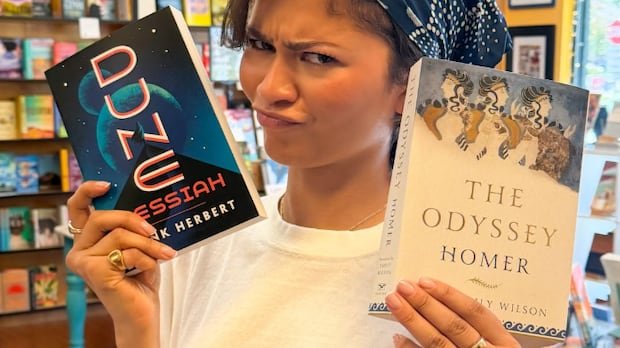
Nolan drew attention during early publicity for his movie by citing Wilson’s 2017 translation of The Odyssey, noting that the opening line of Wilson’s version served as an inspiration or benchmark for how he frames the central character, Odysseus. The exchange highlights how the enduring influence of classical translations can ripple into contemporary cinema, particularly in works drawn from long-standing mythic narratives.
Wilson, a prominent classicist best known for her verse-free rendering of Homer’s epic, has historically been associated with a stricter, more literal approach to the text. While she has publicly acknowledged the reference as part of the broader conversation about adapting ancient literature for modern audiences, she has not issued an outright endorsement of Nolan’s creative choices. In her assessment, Wilson’s remarks in connection with the film appear measured, reflecting both recognition of the film’s ambition and reservations about certain interpretive liberties taken in the adaptation.
The public discourse around Nolan’s film continues to focus on how a modern director translates the odyssey’s themes—heroism, fate, loyalty, and homecoming—into a contemporary cinematic framework. Critics and scholars similarly weigh the balance between fidelity to source material and the transformative aims of filmmaking in reimagined classics.
News regarding Wilson’s position on the film remains limited to comments linked to Nolan’s use of her translation as a conceptual reference point. No official statement indicating opposition or strong praise from Wilson has been reported in the coverage accompanying the film’s release. As discussions about adaptation persist, Wilson’s contributions to Homeric translation remain influential in academic and literary circles, even as new interpretive voices diverge from exacting scholarly expectations.