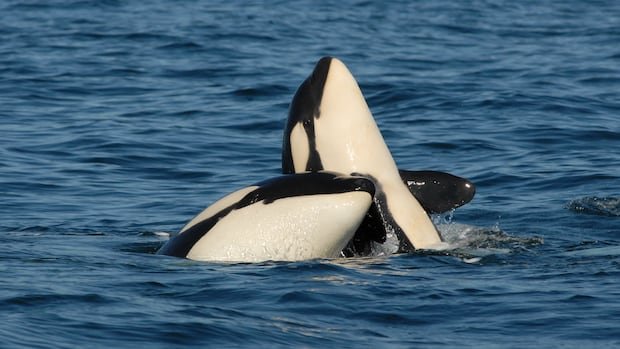
Researchers have highlighted a concerning trend in the southern resident orcas, noting that male offspring significantly reduce a mother’s likelihood of successful breeding in subsequent years. The study’s findings suggest that the presence of male progeny can lower a mother’s annual chance of giving birth to a viable calf by approximately half, underscoring the delicate balance within this population. The southern resident community, which spends much of its time in the waters off British Columbia and Washington State, is already ranked as endangered, facing ongoing threats from reduced prey, contamination, and disturbances from human activities.
In the same regional context, energy infrastructure plans have reignited debate about potential impacts on marine life. A proposed new pipeline project along the West Coast has prompted environmental groups and scientists to warn that increased vessel traffic, construction activity, and related pollution could further imperil the southern residents. Experts emphasize that any escalation in risk factors—such as underwater noise, disruption of salmon runs, and habitat fragmentation—could compound existing challenges faced by the whales, which rely on abundant Chinook salmon stocks and relatively quiet waters to thrive.
Advocates for the whales argue that safeguarding critical habitat should be a priority, particularly for an endangered population with limited reproductive output. They call for mitigation measures including stricter industrial oversight, enhanced monitoring of whale sightings, and speed restrictions for vessels in key feeding and breeding grounds. Critics of the pipeline proposal contend that even studies showing limited direct impact can still translate into cumulative stress over time, threatening the odds of recovery for a pod already characterized by low birth rates and a high reliance on a narrow geographic range.
Officials have reiterated the need for balanced decisions that consider both energy needs and biodiversity protection. As stakeholders await further assessments, the southern resident killer whales remain at the center of conversations about how best to align regional development with the preservation of a vulnerable marine-mammal population.