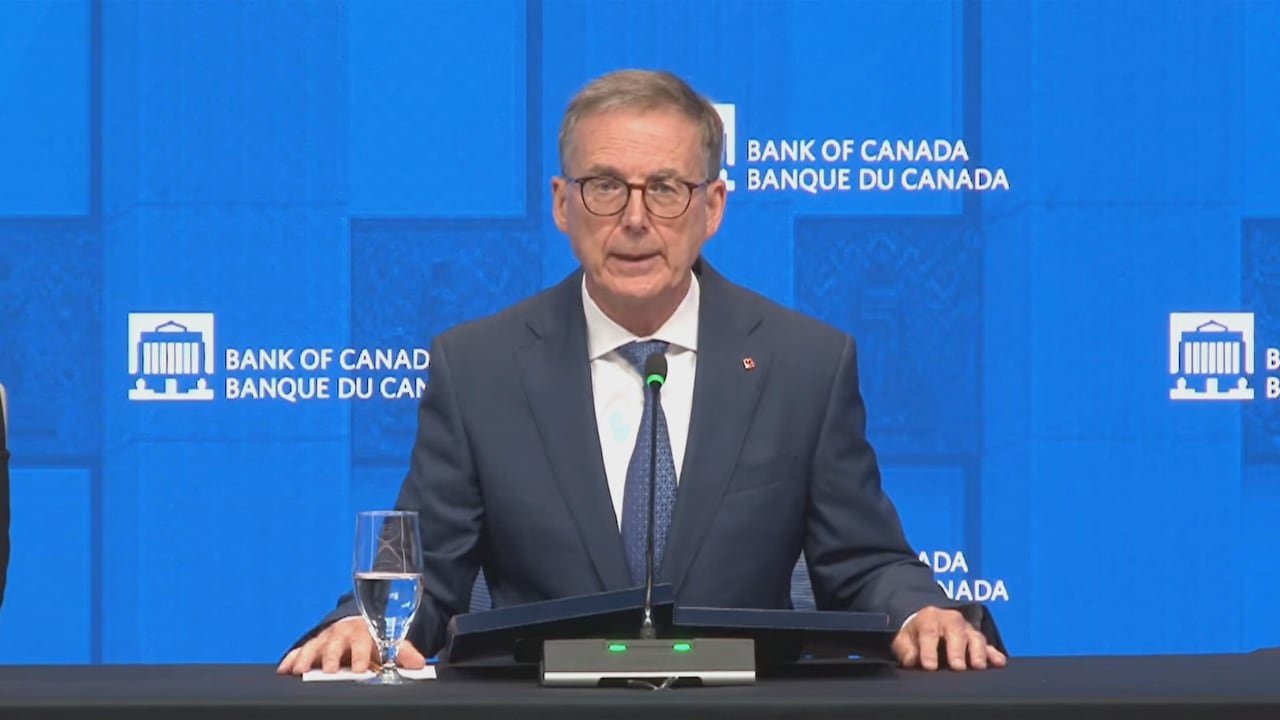
As global attention focuses on wildfire threats, Canadian authorities are pursuing measures to reduce fire risk across communities while U.S. President Donald Trump signals potential tariffs tied to wildfire smoke.
In recent days, policymakers in Canada have highlighted prevention and mitigation efforts intended to lessen the intensity and spread of wildfires, which can have cross-border effects on air quality and public health. Officials point to a combination of improved forest management, community preparedness, and investments in firefighting capacity as essential components of reducing risk.
The shift comes amid heightened concern over smoke from fires in North American forests impacting air quality in both countries. While the article surrounding these measures emphasizes domestic strategies, it notes the broader context of transboundary environmental impacts that prompt joint consideration of mitigation approaches.
On the U.S. side, remarks by President Trump have brought attention to the potential use of economic tools, such as tariffs, in response to smoke-related disruptions or policy disagreements regarding wildfire management. Details on potential tariff structure, scope, or timeframe remain unclear, and the administration has not released a formal proposal at this time.
Canadian officials have underscored that prevention remains central to their approach. Measures discussed include enhancing early-warning systems, expanding fuel-reduction projects in at-risk regions, and supporting communities in adopting fire-resistant infrastructure and evacuation planning. The goal is to reduce the likelihood of large-scale fires and to limit the duration of smoke events when fires occur.
Experts note that climate conditions, including dry spells and high winds, continue to influence fire behavior. They stress that effective mitigation requires coordination across municipal, provincial, and federal levels, as well as cross-border cooperation with the United States.
No timeline was provided for any potential tariff implementation by the United States, and Canadian authorities indicated continued focus on proactive fire-risk reduction efforts domestically. The unfolding policy discussions reflect a broader conversation about how countries manage wildfire threats in a changing climate and how cross-border environmental challenges are addressed.