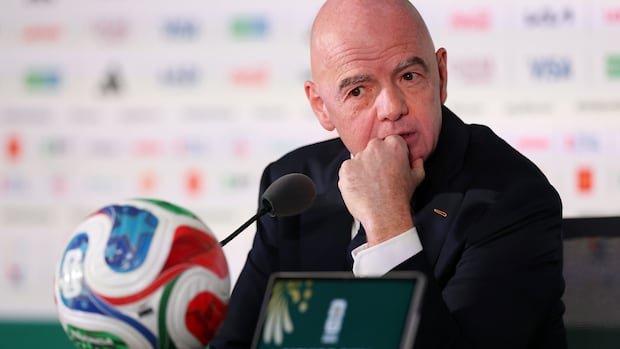
Details released Tuesday outline a strategy to establish a U.S.-based company backed by private investors, including the Kushner family, with the aim of running the World Cup and related operations. The move would involve significant private-sector participation in the ownership and financial structure surrounding the tournament, which has traditionally been organized under FIFA’s umbrella with member associations sharing revenue.
UEFA swiftly condemned the proposal, arguing that it could shift control away from member associations and risk the integrity and accessibility of the competition. The European body did not disclose specific objections beyond asserting its disapproval, but the response underscores long-standing tensions between FIFA’s leadership and European stakeholders over governance, revenue distribution, and commercial strategy.
Supporters of Infantino’s plan say it would unlock substantial capital for development, infrastructure, and growth of the sport, potentially expanding the World Cup’s global footprint and increasing revenues for FIFA and affiliated organizations. Proponents emphasize that private investment could modernize event management and broadcast opportunities, creating new revenue streams.
FIFA has not released a full business model or valuation timetable beyond the stated $20 billion figure, and it remains unclear how ownership stakes would be distributed, how governance would be structured, or how revenues would be allocated among FIFA, member associations, and private investors. Questions also persist regarding the role of host nations, broadcasting rights, sponsorship agreements, and revenue-sharing formulas.
The plan emerges as FIFA continues to seek innovative financing and strategic options in the wake of global scrutiny over governance and decision-making processes. Analysts say any arrangement involving a high-profile investor group and a major European football body will require careful negotiation to address concerns about transparency, competitive balance, and the preservation of the sport’s democratic governance model. Further details are expected to be clarified in upcoming discussions among FIFA, UEFA, national associations, and potential investors.