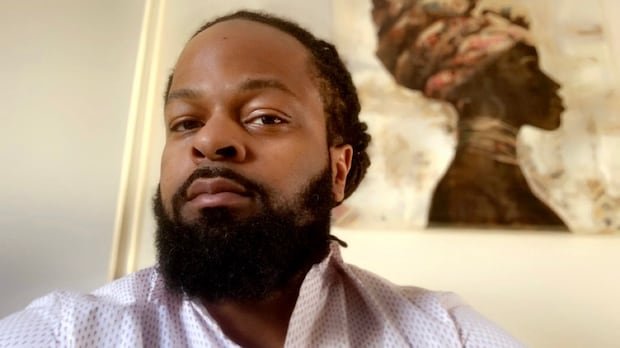
The decision marks a formal acknowledgment by the police oversight body that the actions of the two officers constituted discrimination rather than neutral policing. The tribunal’s ruling centers on the 2020 encounter in which Blot was stopped and subsequently subjected to treatment the panel deemed biased due to his race.
Blot has publicly described the incident as part of a pattern of racial profiling, stating that the stop was not isolated and highlighting what he characterizes as a broader history of similar experiences while driving. The tribunal’s finding and Blot’s statements together underscore ongoing concerns about racial bias within policing in Quebec.
The ethics tribunal’s conclusion focuses on the conduct of the two officers during the traffic stop, noting that their actions violated principles of fairness and equal treatment. The ruling does not detail any corrective measures or penalties imposed on the officers within the summary provided, but it confirms a breach of professional standards related to discrimination.
Legal and civil rights advocates have long called for greater accountability in cases of alleged racial profiling, arguing that independent adjudication helps ensure policing practices meet constitutional protections and human rights standards. The Sûreté du Québec has not issued a public comment on the tribunal’s verdict within the provided information.
Leslie Blot has described the outcome as a step toward recognition of discriminatory policing practices, while emphasizing the importance of continued vigilance and reform to prevent future incidents. The case contributes to the ongoing national dialogue on policing, race, and accountability in Canada.