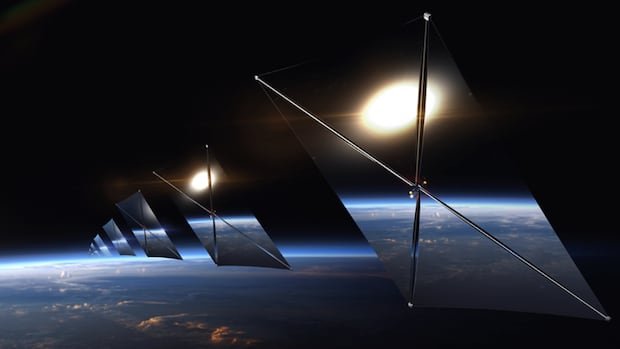
The approval comes despite substantial public opposition. Public comments on the proposal were overwhelmingly negative, with critics citing potential environmental, safety, privacy, and geopolitical concerns. Supporters argue the technology could provide emergency relief, enhance solar power generation, and assist in agricultural productivity by stabilizing daylight exposure.
Details released by the FCC indicate that Reflect Orbital plans to deploy the mirror in low Earth orbit and use precise positioning to direct sunlight to specific, predefined locations. The company asserts the system would operate within existing regulatory frameworks governing satellite operations, orbital debris, and spectrum use. It maintains that the project would be designed with fail-safes to prevent unintended illumination or exposure.
Experts notified by the agency said the decision raises several questions that regulatory bodies will need to address as the project progresses. Key issues include the potential for unintended ecological effects, the risk of glare or light pollution for aviation and ground-based observers, and the long-term implications for space traffic management and international law.
Canada and other international observers have expressed curiosity about how the project might affect cross-border skies and shared celestial resources. Diplomats and regulatory analysts say the situation underscores the need for clear international norms governing space-based optical gimmicks and the boundaries of “sunlight on demand.”
Reflect Orbital has not announced a firm launch date. The company now faces further technical reviews, potential additional disclosures, and ongoing discussions with other national regulators before any orbital deployment could begin. The initial FCC decision marks a milestone, but observers caution that practical implementation will hinge on broader regulatory consensus and stringent environmental safeguards.