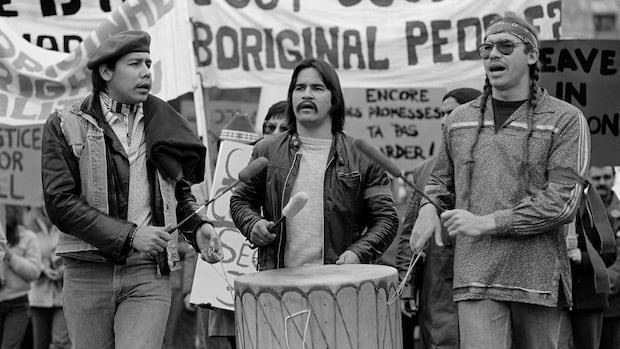
The conversation, highlighted by a CBC reflectively framed feature, centers on how language shapes identity, policy, and recognition. While the federal government formally adopted the term Indigenous, many within Indigenous communities argue that terminology should be determined by the people it describes, not by external authorities. Advocates stress that language evolves and that ongoing dialogue is essential to ensure terms reflect contemporary self-identification and lived reality.
Historical context remains a touchstone in the debate. The shift from Aboriginal to Indigenous was marked by broad national conversations about rights, representation, and inclusion. Critics, however, caution that top-down label changes can overlook regional and cultural differences. Some community voices emphasize a preference for more precise identifiers tied to nations, communities, or individual self-identification, rather than a blanket umbrella term.
Observers note that linguistic choices influence access to services, political discourse, and cultural preservation. When terms align with how people define themselves, they argue, policy and outreach become more meaningful and respectful. Conversely, misalignment can contribute to marginalization or a sense of erasure.
The feature also revisits historical moments of collective action, including protests and public demonstrations that underscored demands for recognition and rights. As discussions continue, leaders advocate for ongoing, inclusive consultation that respects sovereignty and diversity within Indigenous populations.
Experts acknowledge the complexity of reconciling national terminology with local realities. The ongoing dialogue signals a broader commitment to self-determination in language—an evolving process that seeks to reflect the voices and choices of Indigenous communities across Canada. The article underscores that the conversation over what to call people is far from settled, and that consensus will likely emerge only through sustained, collaborative engagement.