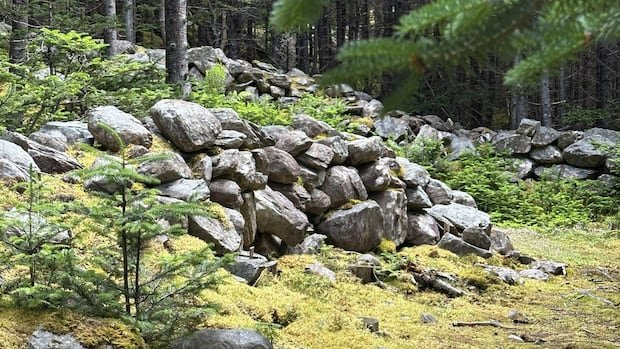
Images associated with the discovery show a series of stone formations, described as mounds, some extending more than 20 metres in length. The scale suggests significant labour was involved in their creation, leading residents to nickname the site the Great Wall in a nod to its impressive, though enigmatic, presence.
Experts have not yet provided a definitive explanation for the structures. Researchers and local historians are assessing possibilities, including whether the stonework served as a boundary marker, a ceremonial site, or an agricultural or defensive feature from an earlier era. The exact age of the mounds remains undetermined, and there is no consensus on their origin.
Officials from regional heritage groups have been coordinating efforts to document and study the site while balancing preservation with public interest. They emphasize that any conclusions will require careful analysis, including geological surveys and examination of historical records. In the meantime, residents and visitors are invited to observe the site and share any information or oral histories that may illuminate its purpose.
Local residents emphasize the cultural and educational value of the discovery, noting that it has already become a talking point for the community. Some view the mounds as a tangible link to lives and labor long past, while others caution against drawing premature judgments without thorough investigation.
The story has drawn attention beyond Hant’s Harbour, highlighting the broader region’s rich, albeit sometimes obscure, historical landscape. As researchers conduct further fieldwork, officials say updates will be provided to the public. The overall tone from authorities remains one of cautious curiosity: the Great Wall of Hant’s Harbour is a compelling puzzle, the answer to which may yet reveal new insights into the area’s history.