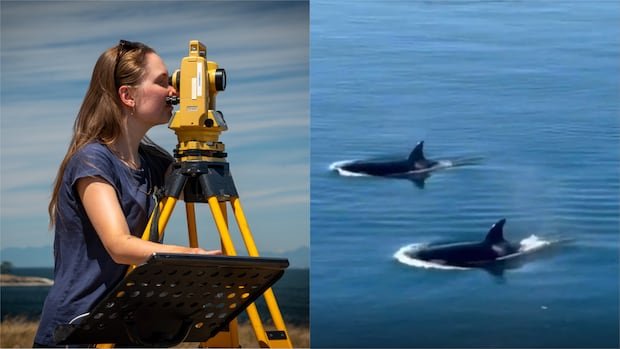
In recent months, activists and scientists have highlighted a surge in whale deaths linked to human activity, particularly ship traffic. The findings come as a broader global tally points to roughly 20,000 whales dying each year from vessel strikes, according to figures cited by conservation researchers. In B.C., experts say the Salish Sea ecosystem remains a critical and fragile habitat for several whale species, including orcas, humpbacks, and gray whales, making mitigation measures essential.
One initiative is a field-and-technology collaboration that pairs marine biologists with data scientists to monitor whale movements and vessel patterns. The program aims to develop real-time alerts that would slow or reroute ships when whales are detected in busy corridors. Participants describe the effort as multi-year and collaborative, bringing together university researchers and local operational partners to test how best to reduce vessel-whale conflicts without unduly disrupting maritime activity.
A second effort focuses on public engagement and policy advocacy. Advocates are pressing for tightened speed limits, mandatory reporting of whale sightings, and enhanced shore-based monitoring to deter risky behavior near hotspots. They argue that a combination of stricter regulations and community-driven monitoring can bolster protection for migrating and resident whale populations during critical periods.
Researchers stress that the problem is not limited to a single site but affects multiple zones around Vancouver Island and the greater Salish Sea. They emphasize the need for sustained funding and cross-jurisdiction coordination to implement practical, scalable measures that can adapt to seasonal whale movements and changing shipping patterns.
Officials say ongoing research will inform future rulemaking and marine-protected area management. In the meantime, conservation groups are urging vessels to exercise extra caution and authorities to accelerate the deployment of technology and procedures designed to minimize collisions and disruptions to whale populations that are already facing multiple threats.