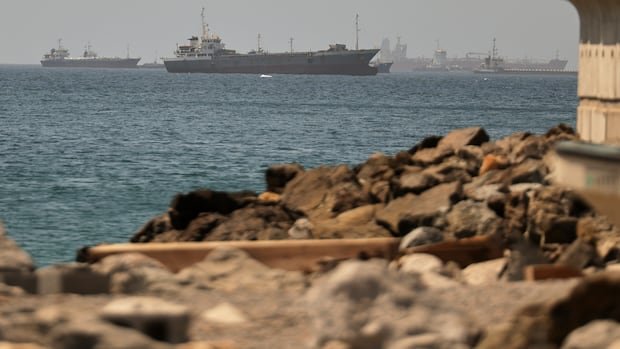
The paper highlights biofouling—the accumulation of plant and animal life on ship hulls—as the primary mechanism by which disputes and delays in the Strait of Hormuz may facilitate the spread of non-native species. With hundreds of vessels stalled or slowed for extended periods, researchers say the prolonged exposure of hulls to varying marine environments creates ample opportunity for organisms to cling, survive, and be transported to distant ports once ships resume movement.
Experts emphasize that the potential risk is not limited to the immediate Gulf area. If invasive species establish themselves in new regions, they could disrupt local ecosystems, outcompete native species, and impose economic costs on fisheries, aquaculture, and maritime infrastructure. The study notes that even relatively slow-moving or infrequent ballast water exchanges can contribute to cross-border ecological exchanges, but hull biofouling represents a more persistent threat during long-term congestion.
Officials and scientists call for coordinated monitoring and rapid response strategies to mitigate the spread. Proposed measures include enhanced hull cleaning protocols for ships awaiting passage, extended surveillance of ports receiving vessels from congested Gulf routes, and international collaboration to standardize biofouling management and reporting.
The Strait of Hormuz remains a critical artery for global oil and trade flows, linking the Persian Gulf with the Arabian Sea. While the blockade persists, the international community is watching not only for economic repercussions but also for the potential biological fallout that could transcend regional borders.
No specific invasive species have been named in the report, and researchers cautioned that the situation is dynamic, dependent on the duration of stagnation, vessel traffic patterns, and environmental conditions in destination ports. As shipping lanes adapt, the study urges proactive measures to prevent a ripple effect of ecological disturbances worldwide.