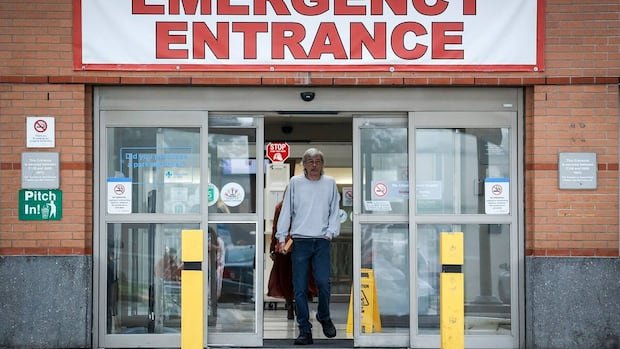
Listeners and readers reported a range of impacts from the current ER landscape, including extended wait periods for urgent care, difficulties securing timely appointments, and the resulting stress on families seeking timely treatment. Some describe choosing between long drives to alternative facilities and staying home to avoid crowded corridors, while others report delaying non-urgent care to avoid crowded ERs.
Frontline workers, including nurses and physicians, spoke about mounting fatigue and emotional toll. Several described a cycle of back-to-back shifts, high patient loads, and documentation demands that constrain time for patient interaction. Colleagues and supervisors noted that staffing shortages, especially during peak demand periods, contribute to bottlenecks and can limit the ability to triage effectively.
Experts joining the discussion emphasized systemic factors such as resource allocation, bed availability in surrounding departments, and the broader implications of crowding on patient safety and outcomes. They highlighted that ER crowding is often a symptom of interconnected issues within the broader healthcare system, including primary care access and referral pathways, rather than a challenge isolated to emergency departments.
The program’s listeners shared stories from provinces across the country, illustrating regional variation in wait times and access. Several callers urged governments and hospital administrations to prioritize staffing investments, streamline discharge processes, and expand alternative care options, such as urgent care centers and after-hours clinics, to relieve pressure on emergency departments.
CBC’s Cross Country Checkup plans to continue its coverage, inviting additional input from clinicians, patients, and policymakers. The aim is to illuminate lived experiences and explore potential solutions that could improve ER access and reduce burnout while maintaining quality care.